

feature 2.
interview between SOPHIE JOSEPH SCHWARTZ and MADELEINE MORLET.
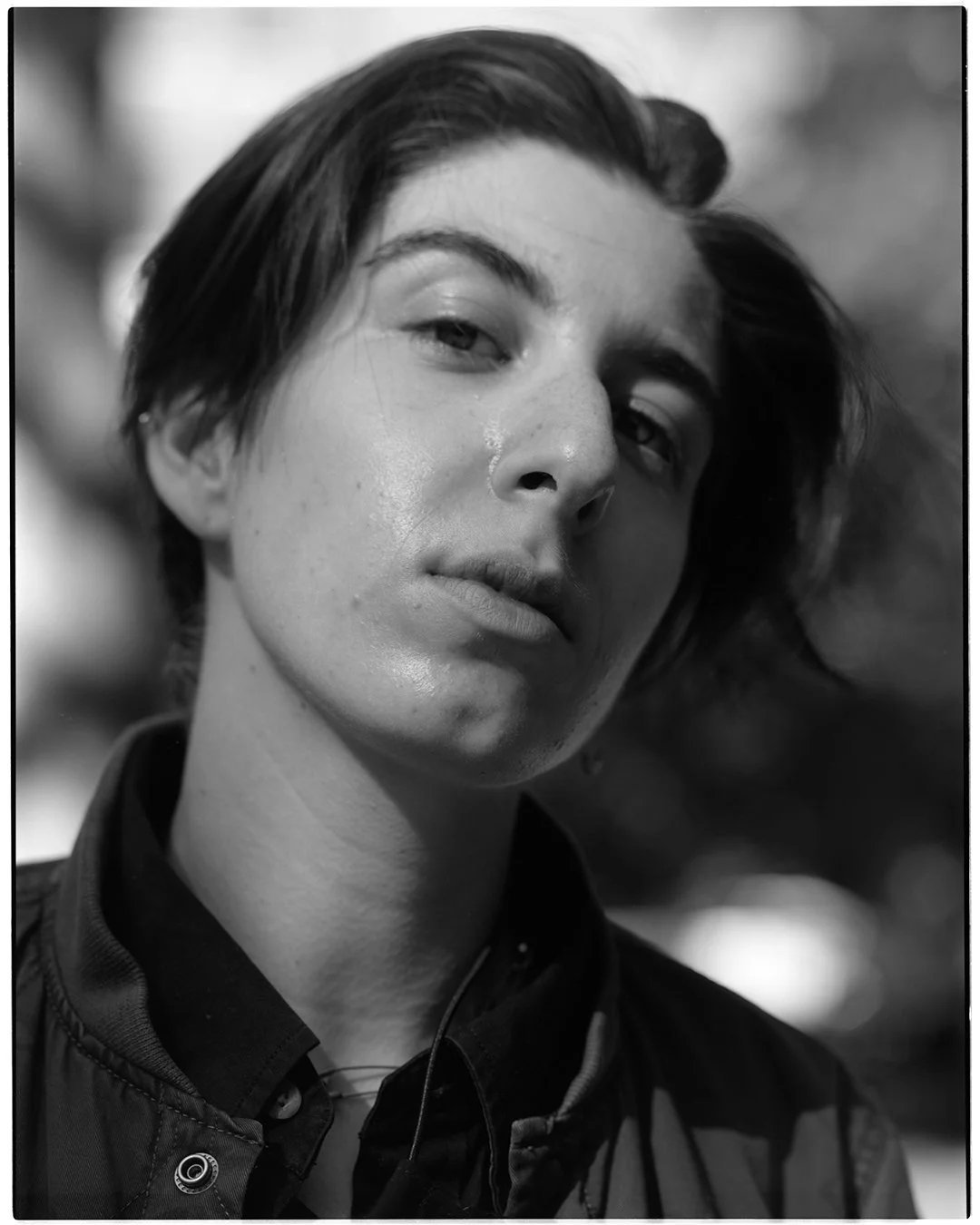
Info
Photographer: Sophie Joseph Schwartz
Website: www.sophie-schwartz.com
Instagram: @s_o_p_h_i_e_
Sophie Joseph Schwartz is an artist and educator living in Brooklyn, NY from Cleveland, OH. Their practice positions collaboration as an entry point to explore grief, memory, and queer connection.
Schwartz earned an MFA from Yale School of Art in 2023 where they were awarded the Richard Benson Prize and the Harvey Geiger Travel Fellowship, following a BA in Modern Culture + Media from Brown University in 2017. Their work has been exhibited at Camera Club, LaMama Galleria, François Ghebaly, Benrubi Gallery, AMANITA, Penumbra Foundation, Cleveland Print Room and Silver Eye Center for Photography, among others. They’ve been a recent artist in residence at Visual Studies Workshop, WORTHLESSSTUDIOS, Flower City Arts Center, Penumbra Foundation, and Haystack. Publications including Purple Magazine, CULTURED, i-D, VICE, Vogue, BOOOOOOOM, WÜL Magazine, and Architectural Digest have published their work.
In 2023, Schwartz published their debut book, With and For, with Tall Poppy Press in Melbourne. They have previously taught at Rhode Island School of Design, Yale Norfolk School of Art, and School of Visual Art, and currently serve on the faculty at New York University Steinhardt, and Penumbra Foundation. Schwartz is the director of Rubylith Darkroom in Brooklyn, NY.
Project
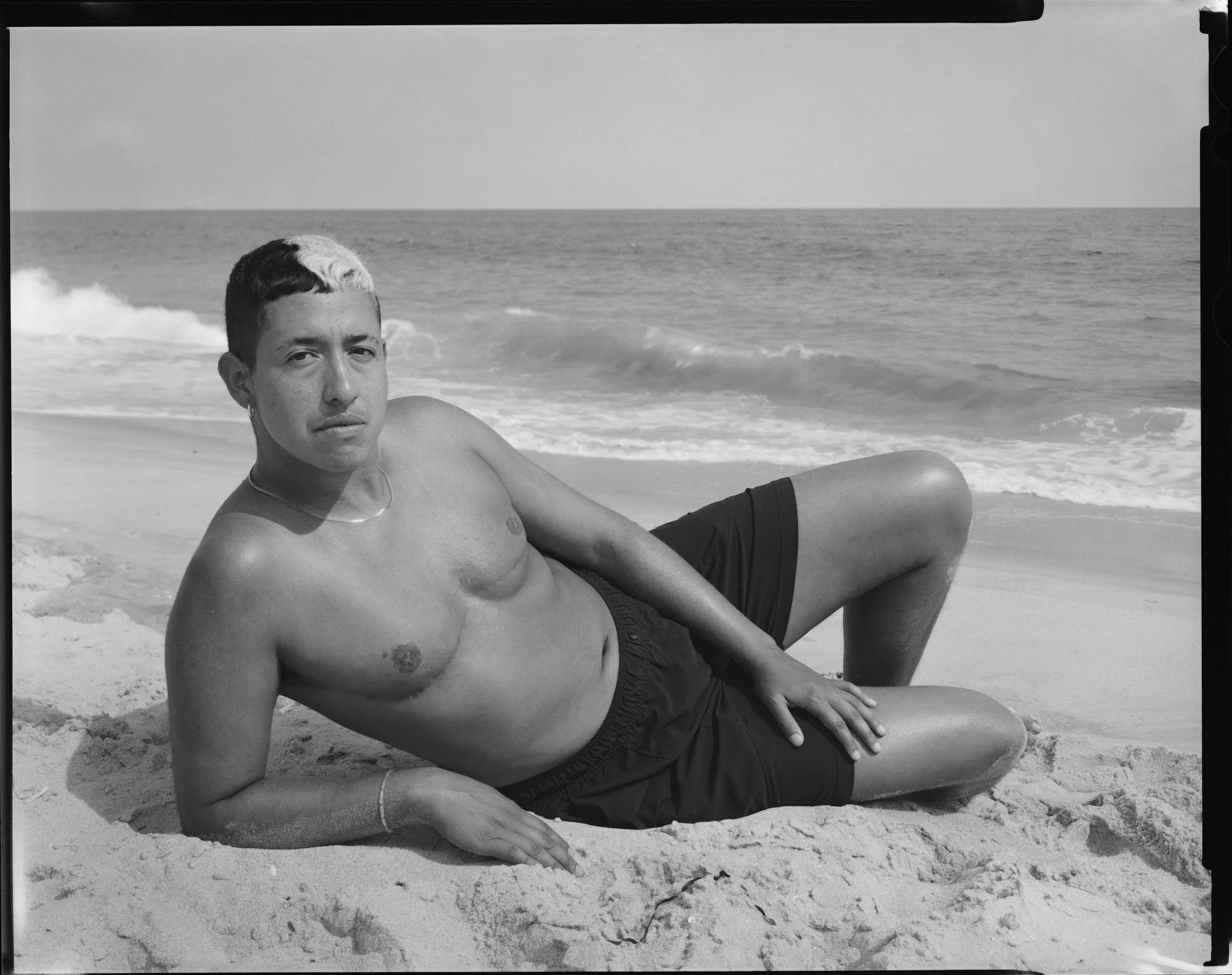
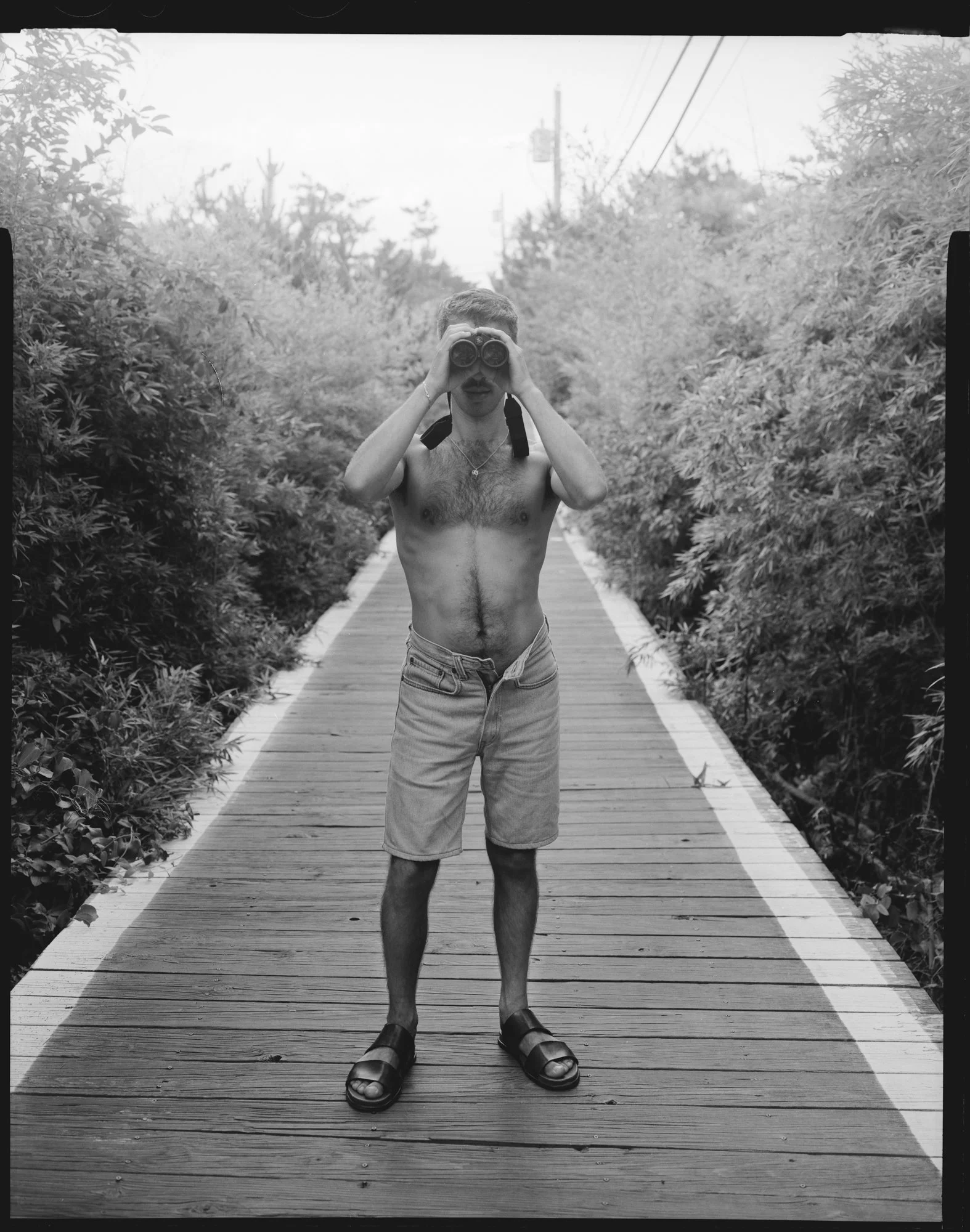
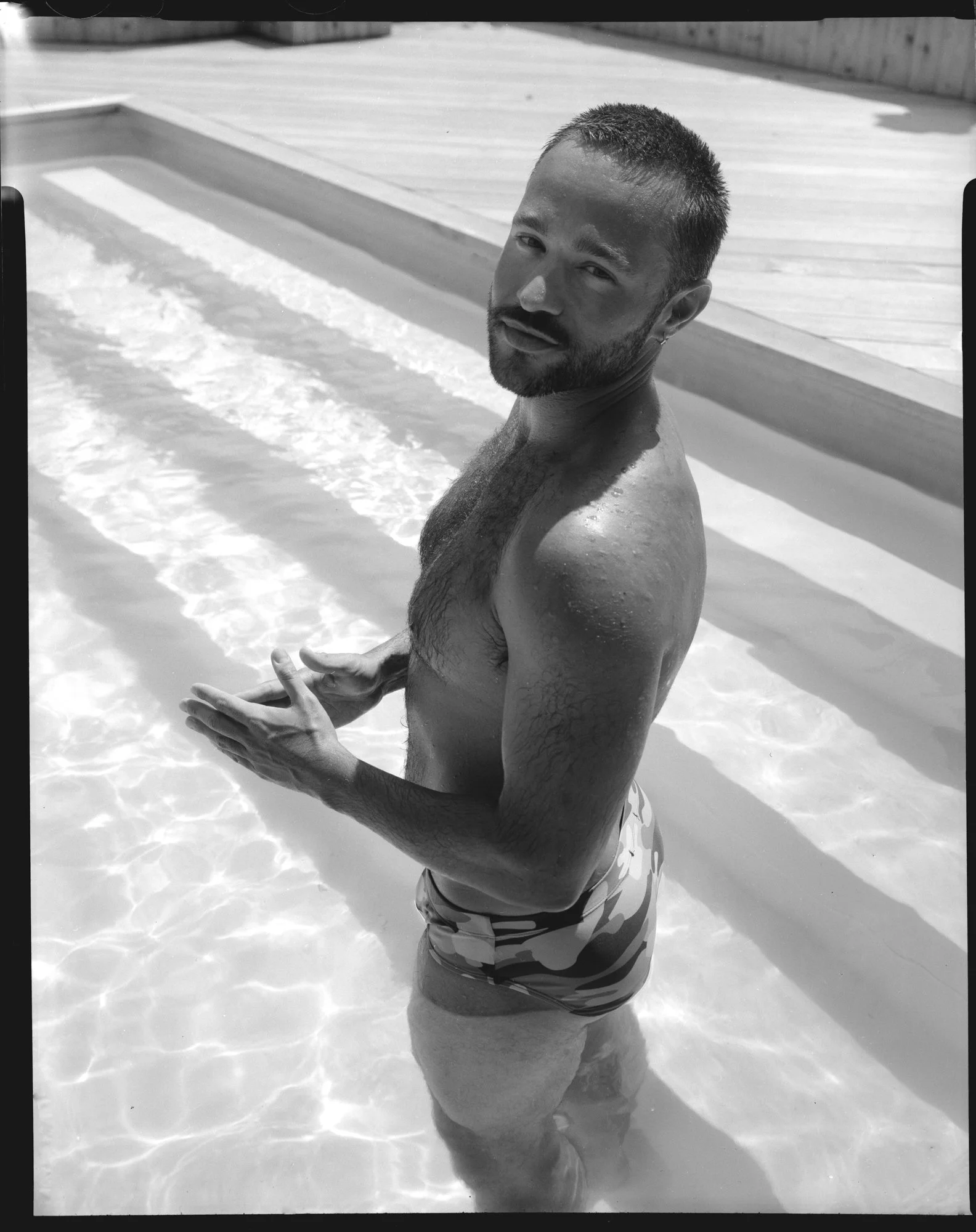
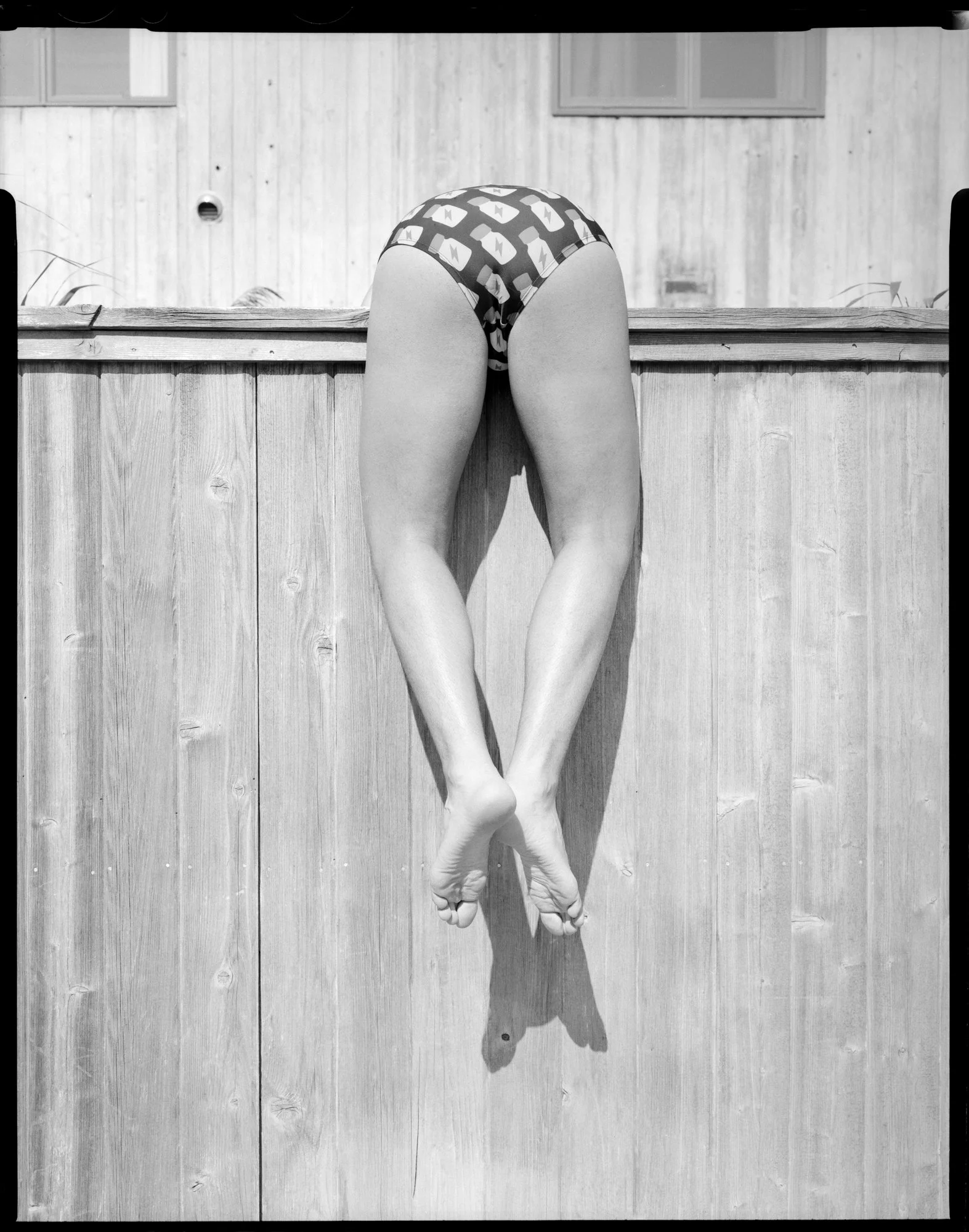
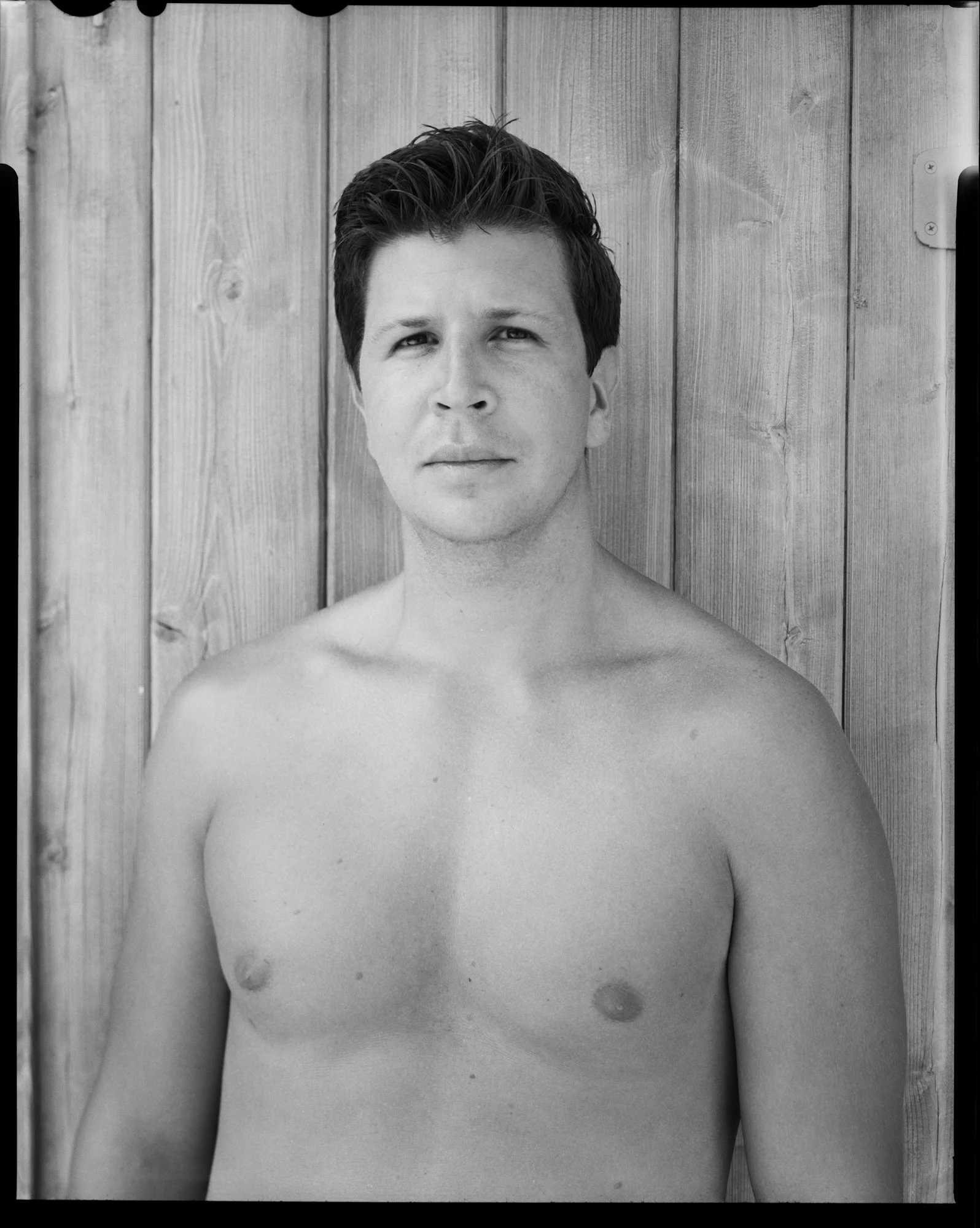
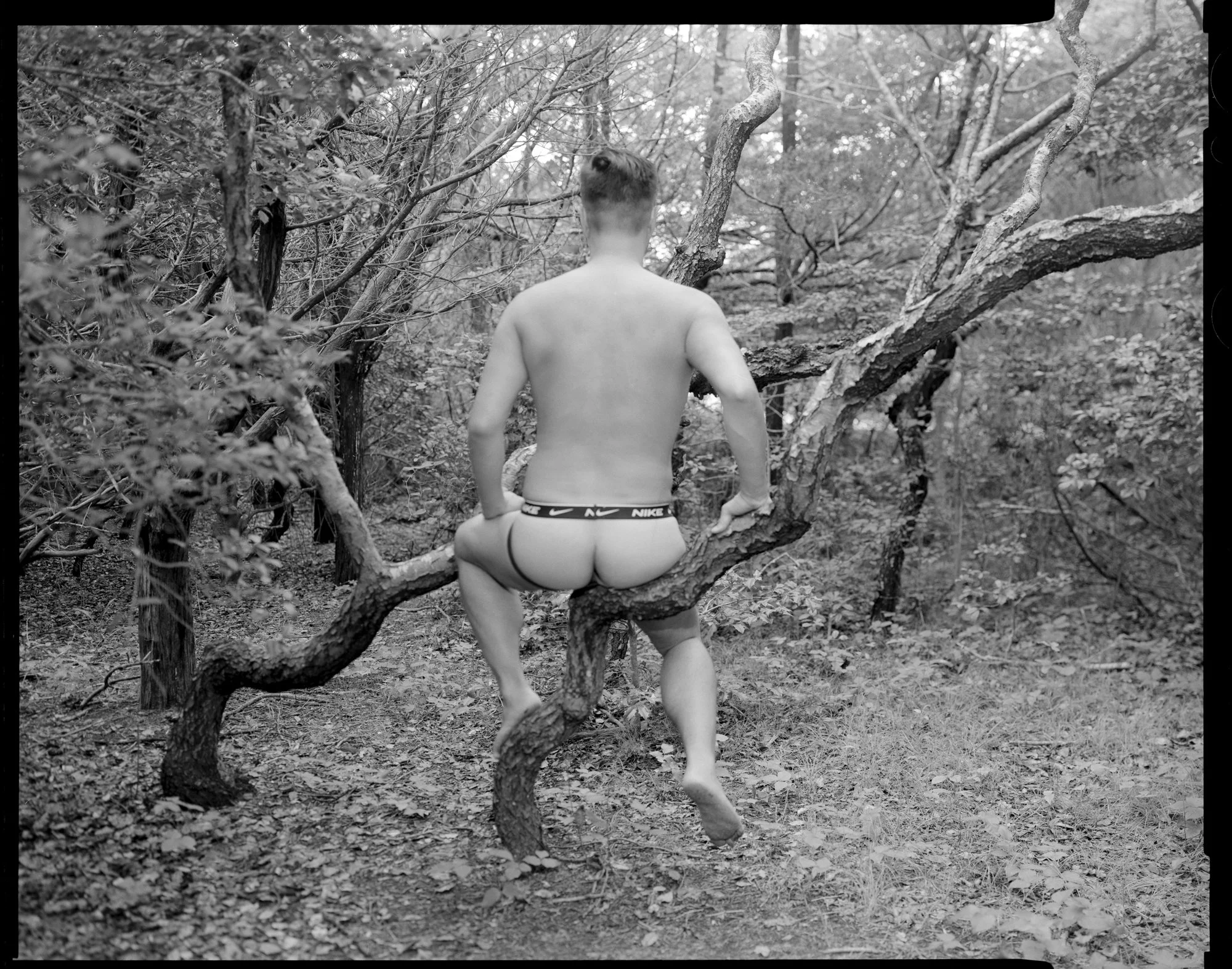
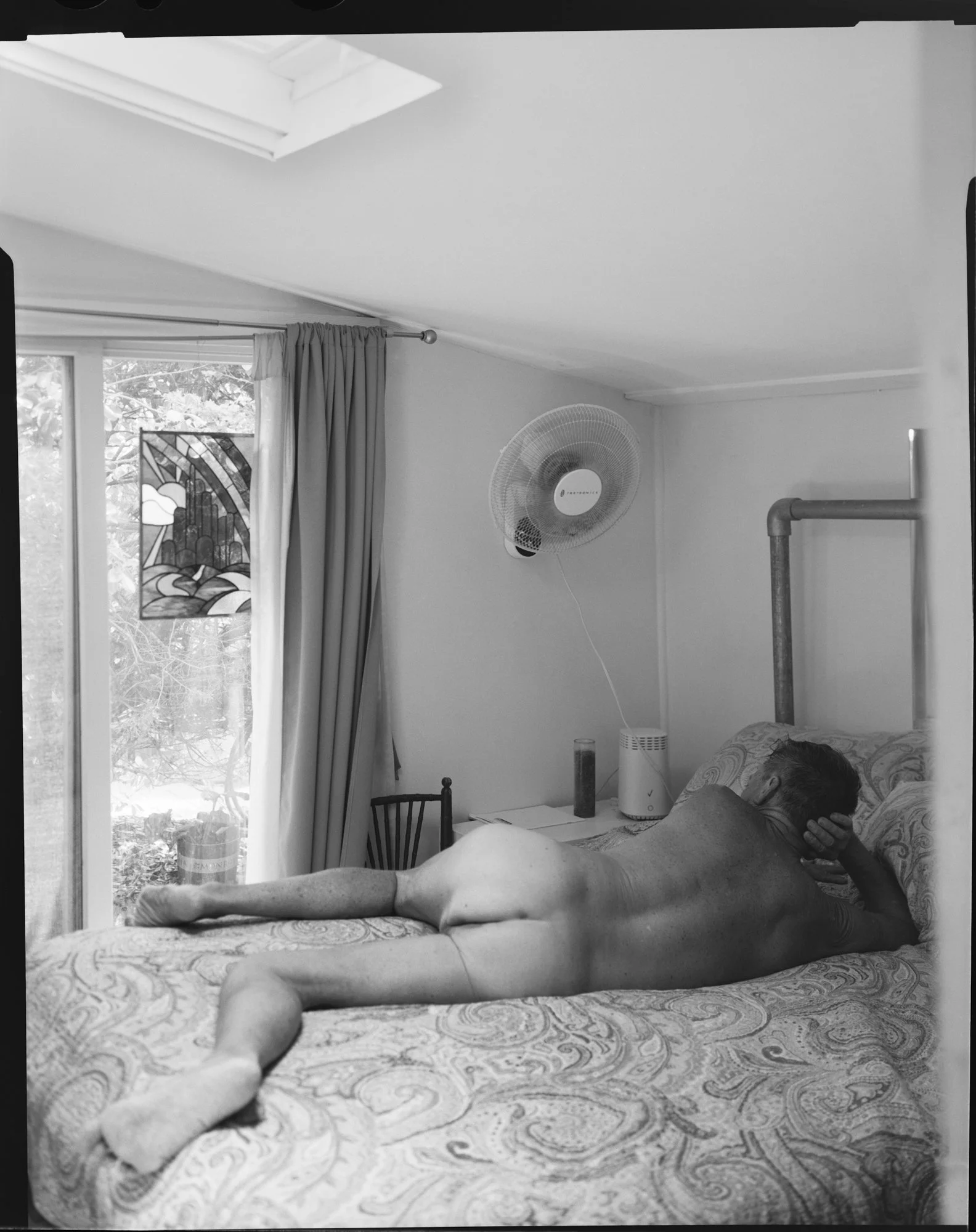
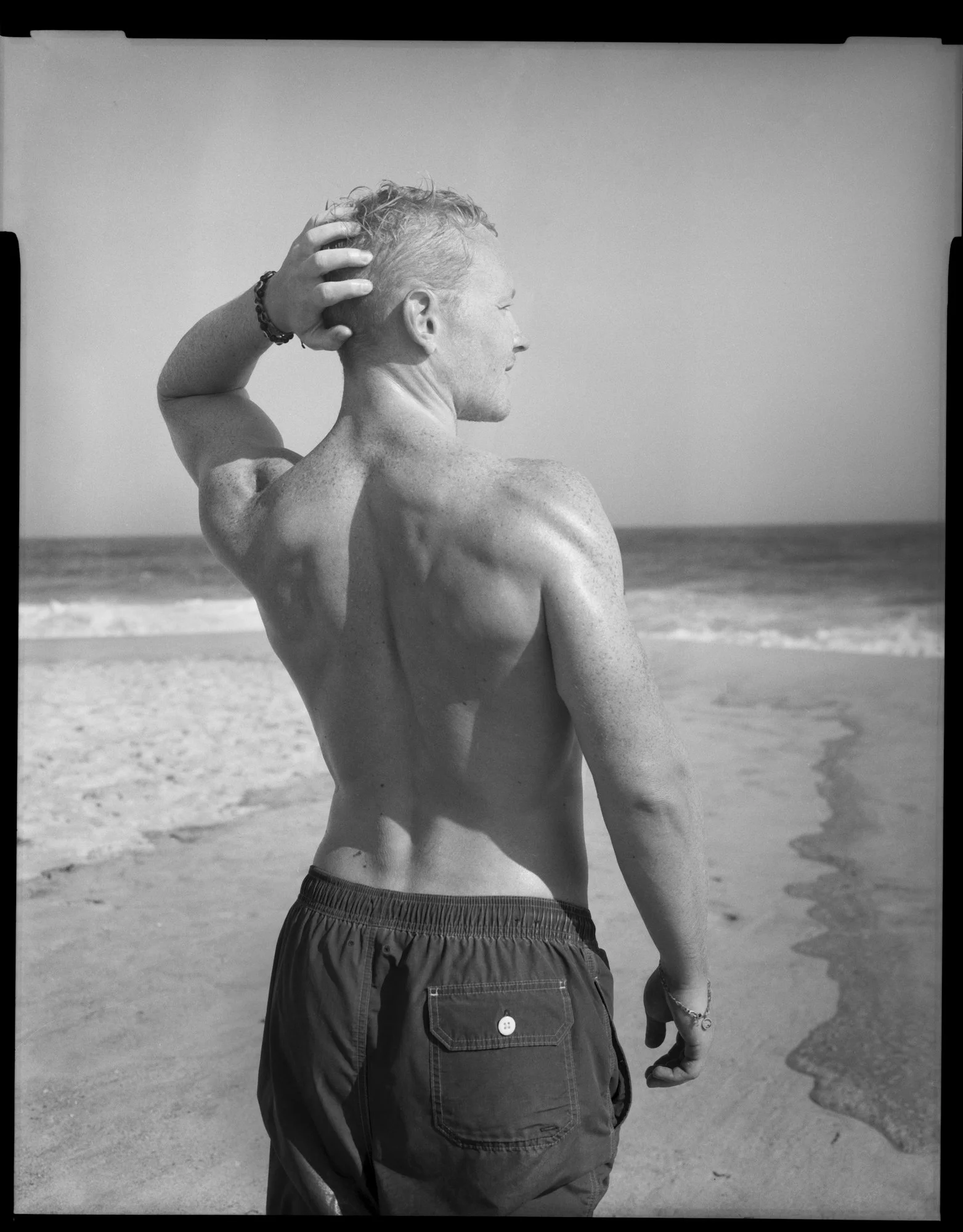
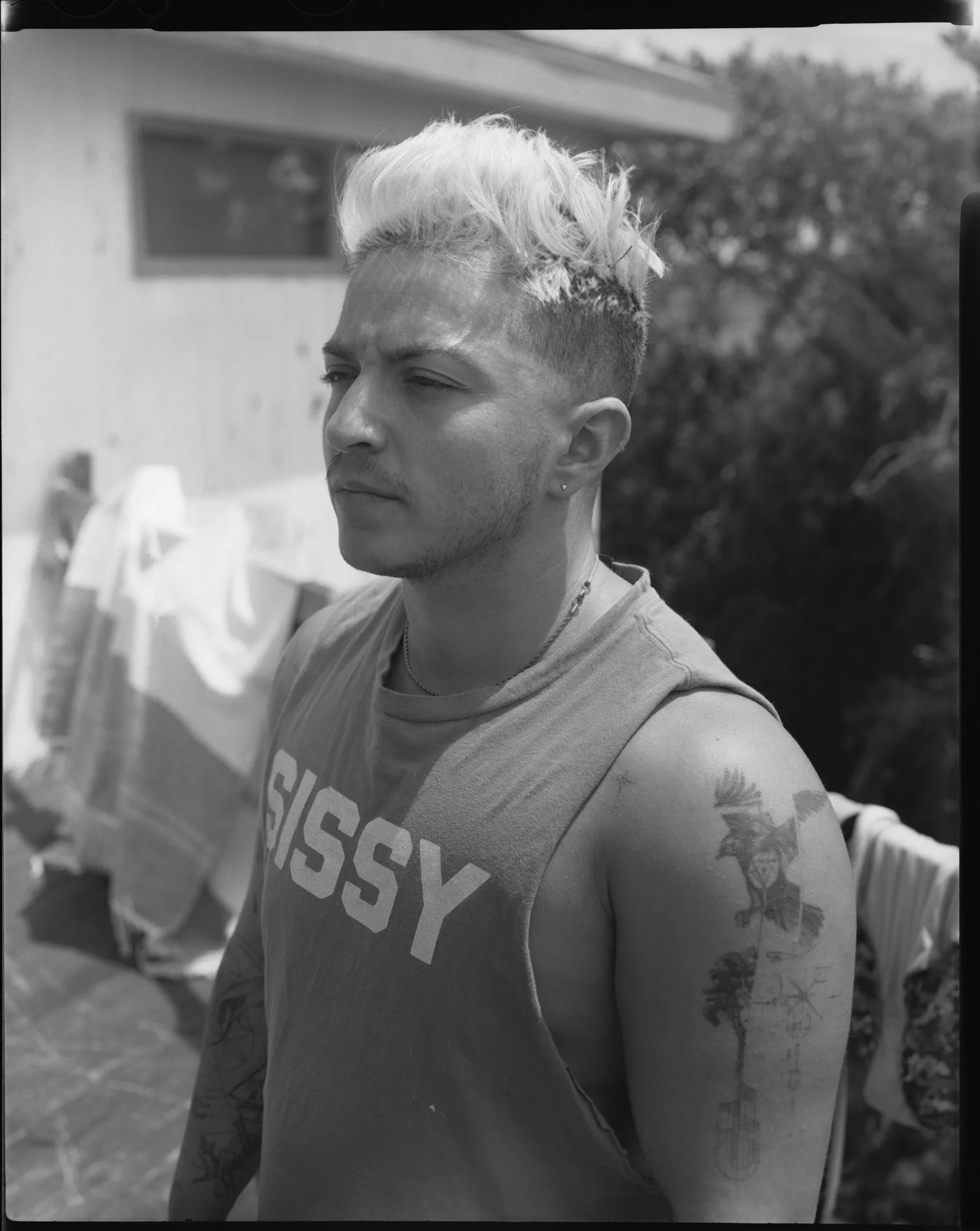
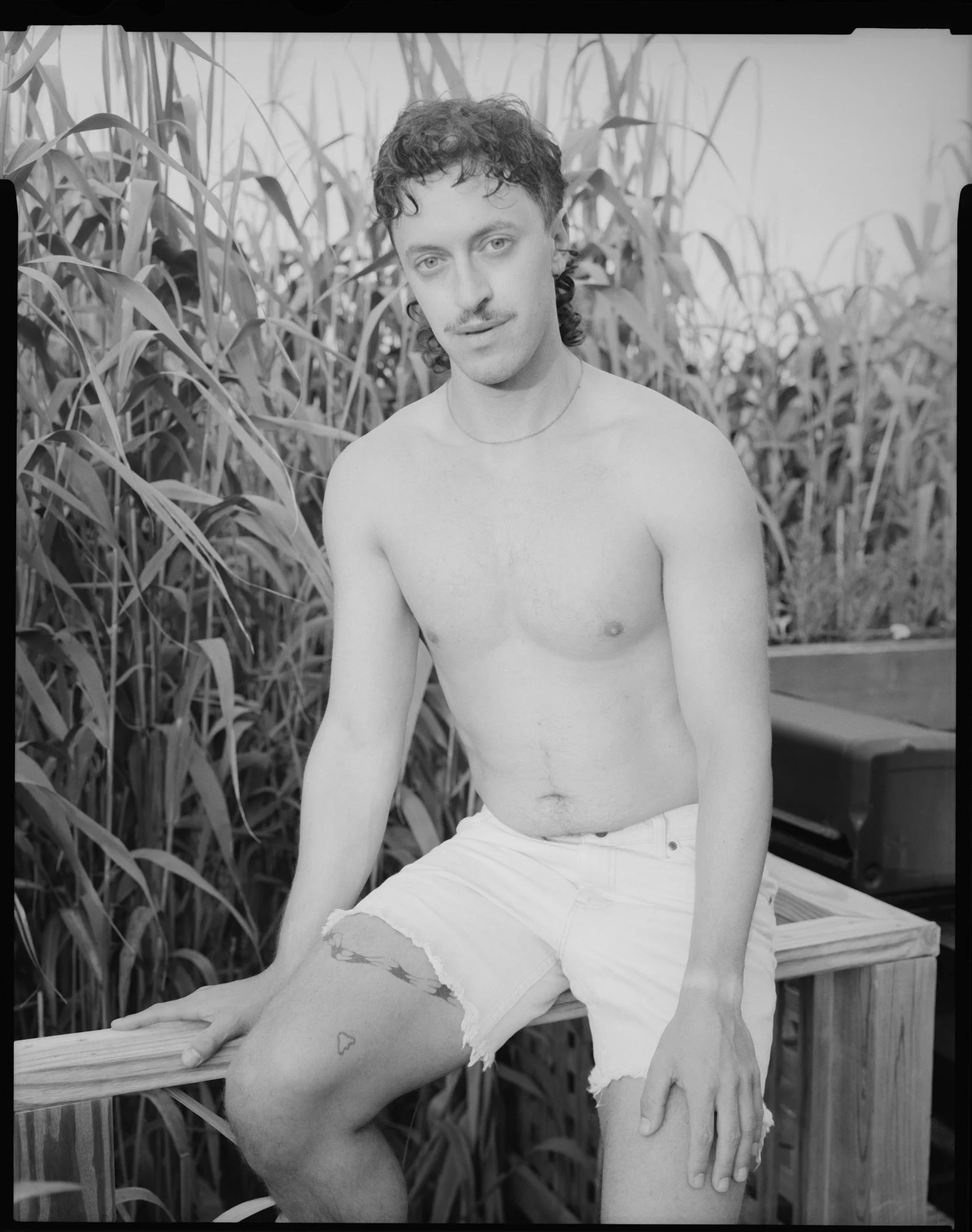
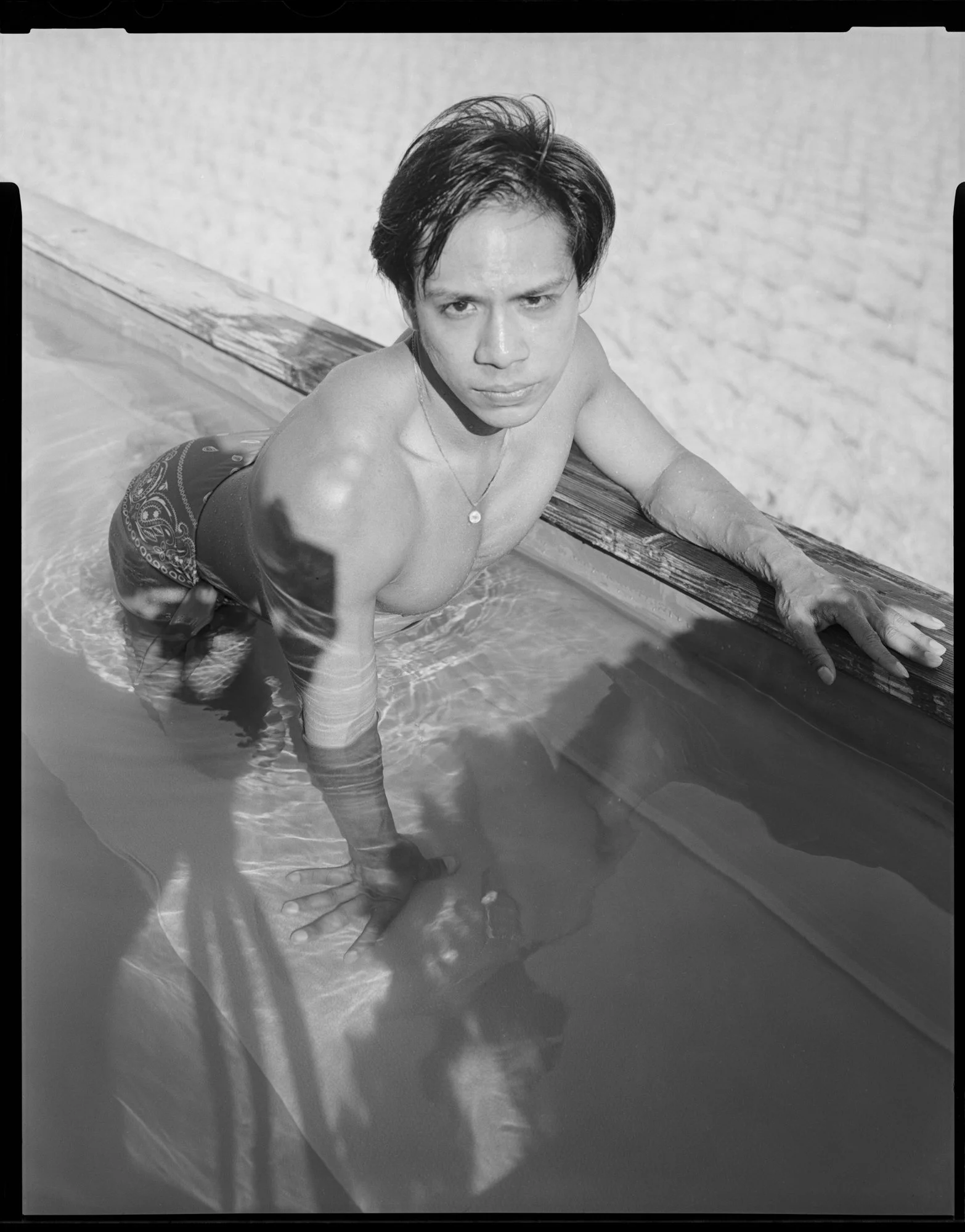
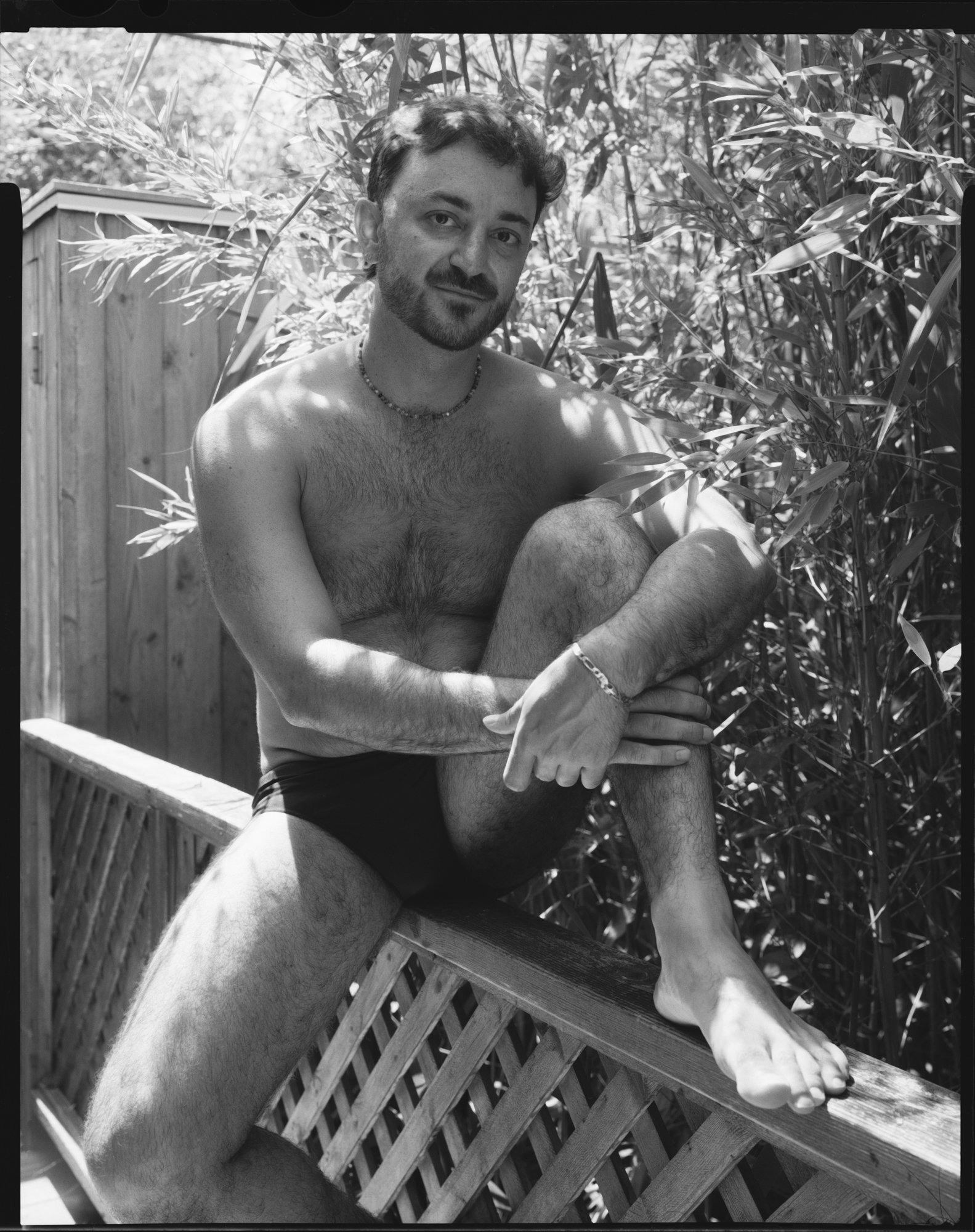
I’m Looking For…(2025-) is a portrait project where the production of photographs for dating apps acts as an entrance to the visual language of longing and seduction. I use the “gallery space” within dating apps, where each photograph is charged with communicating a range of varied desires: to start a fling, to find a friend, to fall in love.
I started this project by offering my photographic services for free in New York City and Fire Island for specific use on dating and hookup app profiles and have since completed almost one hundred sessions including people ages 18-82. In preparation for each portrait session, I conducted surveys that asked participants to share what they were looking for, what makes them feel attractive in photos, and what attracts them to other people’s photos. The surveys formed a backbone of the project and made visible a process shaped by vulnerability and curiosity. I carried this approach into my view camera portrait sessions, allowing them to unfold organically through collaboration between photographer and sitter. In these sessions, I acted as a passive director, letting participants choose the location and lead the direction of the images, creating space for them to perform their version of seduction. Selected with input from each participant, the resulting large-format photographs collectively comprise a portrait of desire where longing is made visible through gesture, pose, and mood. I request all participants send screenshots of the images installed on their profiles and how suitors respond to the images.
Interview
MM: We have known each other for a long time, so I’m aware of how unusual the photographic legacy of your childhood is. I'd love to start with you sharing your early memories of photography and how this led to you becoming a photographer.
SS: My work makes a lot of sense when I reveal I was raised by a photographer and a psychologist. My dad grew up in Fort Lee, New Jersey, and went to college at Rutgers thinking he was going to study law. He would have been an incredible lawyer (besides all the paperwork), but once he took a photography class, he fell in love with it. Eventually he transferred to Princeton to study with Emmet Gowin. He went on to start a graphic design business, which he used to commission fine art photographers for various projects in Cleveland. These commissions often included having out of town photographers come live with us for weeks at a time while they made photographs. We basically hosted artist residencies in our home. Many of these artists we grew very close to and they made photographs of my family along the way.
My earliest memories of photography mostly consist of being photographed by my dad and my parents’ friends, and living with these photographs on the walls of my childhood home. When I started making pictures in high school I was immediately obsessed with the darkroom, the process, and printing.
MM: Can you speak to the development of your practice, whether or not there are specific subjects or themes you return to, what these are and how they have evolved over time?
SS: It’s a rare experience to grow up in a bedroom full of photographs of you throughout your life made by other people. My practice stems from being photographed so much as a kid, and by so many people, and how I learned to be photographed. My early pictures were mostly self-portraits – I was interested in seeing how I looked photographed when I was operating the camera.
This shifted when I got to college and had the most significant social breakthrough of my life. All of a sudden I had so many friends, and felt generally seen and like I had something to give to the community around me. During this period is also when my dad died and I learned how to use the view camera. My current practice stemmed from the collision of these events and changes. The camera’s ability to mediate relational dynamics between people and community have been the threads that connect the work I have made for the past fifteen years.
Throughout the past decade of sustained commitment to using the view camera, to make photographs with other people, I came to the deeper realization that this tool could help mediate a study of power and interpersonal dynamics. I structure my portrait sessions as psychological containers where the camera and conditions can either mirror the world at large or subvert it. They are akin to a BDSM or kink play session where goals, desires, and boundaries are shared and mutually decided upon, so that improvisation, experimentation, and trust can develop. The methodology and constraints of my photographic sessions have been redefined and refined over time. I exclusively use a large format view camera for the slowness it demands, the control it fosters, and most importantly, the way it allows me to be present with a subject, revealing our relationship in the resulting work.
For a long time I was struggling with what my work was about, wanting it to be smarter or something. Going to grad school helped me just lean in. You know what? My gift is connecting with people and building community, and I think when people lean into what they're naturally good at and apply it to their work - that's when the work is the best.
MM: I couldn’t agree more. Okay, I love the Fire Island pictures, by the way.
SS: Thank you, yeah, it was fun to share them, I haven't really shared them yet.
MM: I want to hear more about this project, where the idea came from and how you executed it.
SS: Ever since I started photographing my friends, the occasional portrait would be used on their dating app profiles, with remarks like: "your picture got me a date" or "your picture is why I'm with the love of my life". I became obsessed with the idea of the dating app as a gallery space for my work. That people felt seen enough, or good enough, or hot enough, to use the pictures in that way. That was always in the back of my mind. When I got to graduate school, I knew I wanted to keep working with people, but didn't want to work with my classmates, and didn't want to work with models, so I started using dating apps to cast - which was quite fruitful. I would use Tinder, and also this lesbian app called Lex, which is text-based (more like a lesbian Craigslist). I posted ads like: "looking to cover someone in baby oil for a photograph, professional vibes only" and easily found willing participants.
When I moved back to New York City after grad school, I found it to be the least inspiring place, photographically, that I've ever lived. I tried to lean into this feeling and make a project about New York, specifically, which was a first for me. Dating, romance, and online dating are one of my niche interests and favorite topics to discuss with friends and strangers. The conundrum of dating in New York was specific: there were too many people here to potentially connect with and in a post pandemic metropolis, people were mostly finding people to date via apps.
My previous body of work had explored the performance and optics of hotness, and how it can be charged with both beauty and the grotesque. I now was curious what seduction might look like, depending on what one’s looking for, who one’s looking for, what apps they're using. So for the first time, I put out a call on my Instagram story simply stating: “CASTING. Do you need photos of yourself for your dating app profiles? I am looking to make photographs for free for use on apps. DM to schedule in January. NYC.” I was shocked by the number of responses and, all at once, thrust into the project. I used this investigation as an opportunity to research how the images on one's apps are charged with specific tasks and how I might be able to help craft these images. I sent all interested participants a detailed Google form with questions about basic demographics as well as: What apps are you using?, When do you feel attractive in photos?, and What do you find attractive in other people's photos? I worked on this project in New York for six months, and most participants were people looking for pictures for Hinge but I wanted to also do more explicit photos for hookup centered apps like Grindr.
MM: Why more explicit stuff, what's the call for you?
SS: The primary interest here was the performance of seduction. I wanted to see what pictures could be produced for the people looking for sex. And so I thought… Where is there a dense population of people looking for sex? Fire Island. Everyone's on vacation, which is key. Then I applied to this residency through WORTHLESSSTUDIOS, where they give you a darkroom in an Airstream for a month. I proposed continuing this project on Fire Island and they were able to help me make it happen.
MM: How did you find your subjects on the Island?
SS: The Fire Island casting was really different from the New York casting. A lot of the way information is disseminated there is via paper fliers. So I made these fliers, and also made business cards which included a QR code link to the survey, and would hand them out at the beach and at bars. When responses slowed, I went on Grindr and started messaging people. I was mostly staying in the neighborhood of Cherry Grove, and many of the sessions were in the neighborhood over, the Pines, which are separated by this mile long undeveloped protected national seashore which is often referred to as The Meat Rack and is where people primarily go to cruise. I ended up making many of my pictures there, because it is incredibly beautiful, and an interesting commentary on the state of cruising.
This project mediated many conversations about dating and hookups, and I was able to hear stories from such a wide age range on Fire Island – including people who had been coming for thirty or forty years. They’d lament the shift from in person cruising to apps mediating connection. The older men in particular were incredibly grateful for my services and I felt like I was helping people. That was a major perk to this project, I'm doing a service, you know? My photographs serve a clear function. That feels really good.
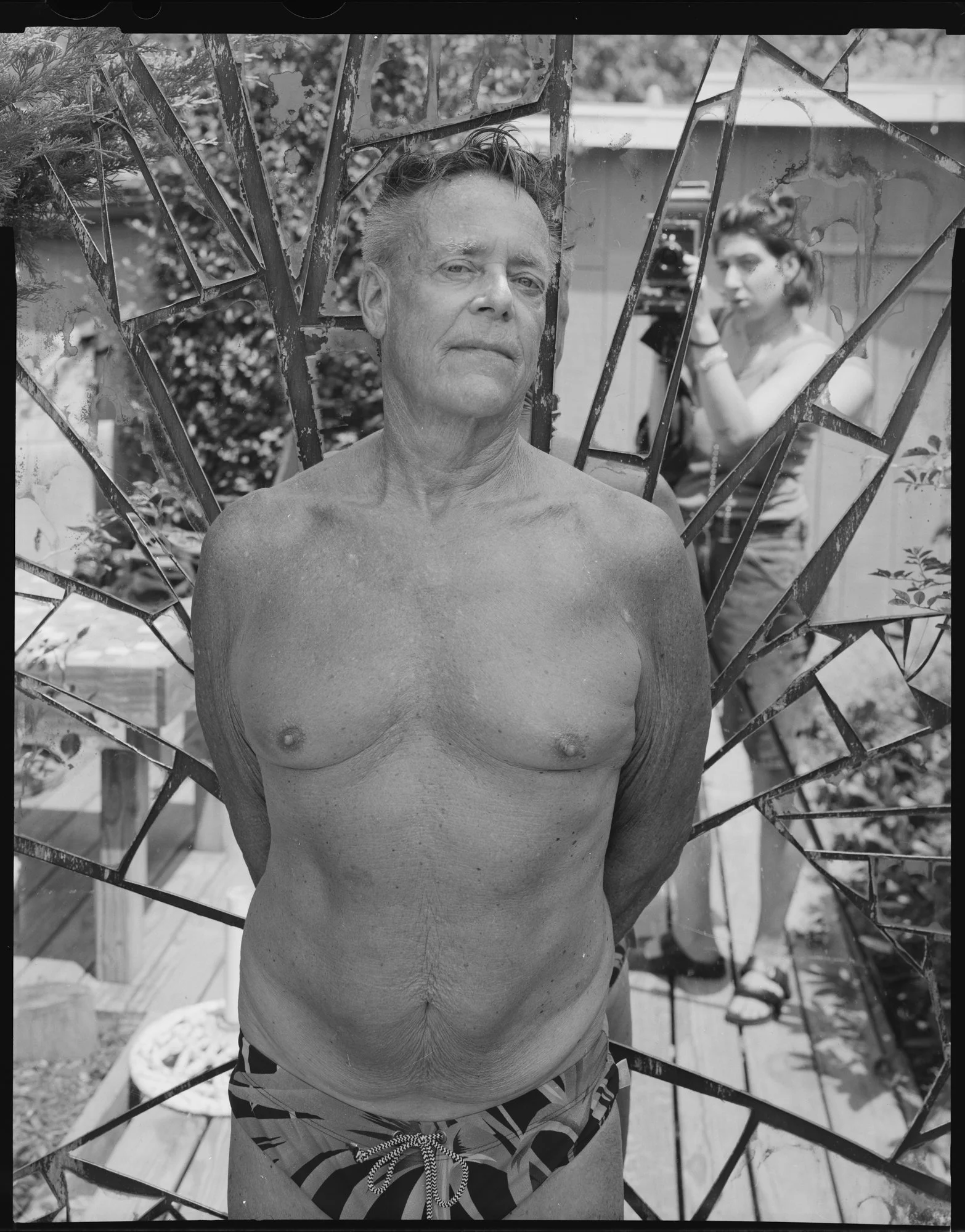
MM: I love the structure of the project, because what you are making has a specific function it sort of mitigates the power dynamic. It's an interpersonal exchange, they're doing something for you and you are doing something for them, which photography can be - but isn't always. I particularly love the image of Robert, where he is in front of the mirror mural. Do you want to talk about that image, why you chose to include yourself in it, and what the relational exchange was like?
SS: Yeah, he was one of my favorite people to work with. He's one of the few people that lives on that part of the island year-round. We spent hours together, and I even ended up running home to get more film to keep making pictures with him. He had a lot of ideas. He also had an amazing garden, and was really into landscaping. As I was framing the picture, I could see my reflection in the image and I thought it would be interesting to include a picture that spoke more to the dynamic in the project. It is actually the picture that I have on my website for him. I probably should change it, because I do feel like it's different. It's not a picture that he is using on his apps, you know? That's where I feel like the Fire Island pictures differ a little bit from the New York ones. Where the prompt for the session became more of a jumping-off point. Between New York and Fire Island I did around 100 sessions and have been trying to figure out if they are separate projects or the same.
MM: I love it. I love it so much, that's all my questions.
Published June 2026, feature 2.
feature 1.
interview between MADELEINE MORLET and ALICE DISON.
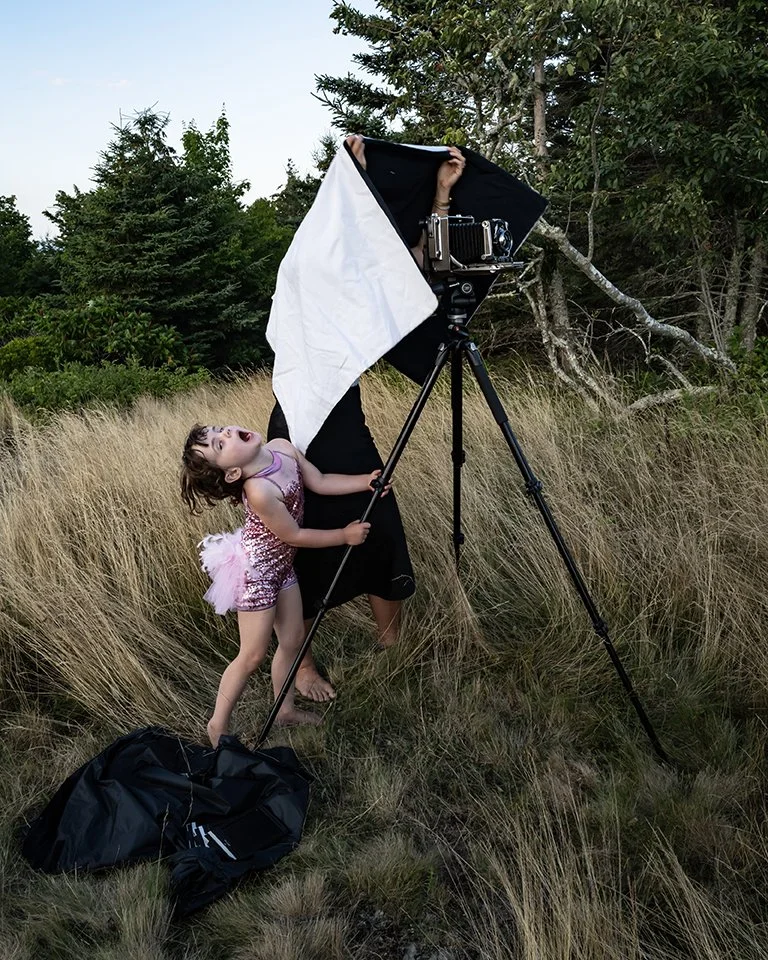
Madeleine by Cig Harvey
Info
Photographer: Madeleine Morlet
Website: madeleinemorlet.com
Instagram: @madeleinemorlet
Madeleine Morlet is a British-American photographer and writer. Taking cues from literature and cinema, she develops long-term projects that draw on personal experience, both directly and indirectly. Her work explores and tests the possibilities and limitations of the photographic medium, with a particular interest in the relationship between subject and environment. Her practice is research-led and informed by her work as a creative nonfiction writer.
Madeleine studied Classics with English at King's College London and Filmmaking at the London Film School, and holds an MA in Creative Writing from Birkbeck, University of London. She has worked as a photography instructor since 2018, notably at Maine Media Workshops and the Penumbra Foundation, with a focus on the narrative potential of photography and the photobook form.
Her work has been recognised by PhotoVogue, the Lucie Foundation, the Pollux Prize, the Julia Margaret Cameron Award, the OD Photo Prize, the Felix Schoeller Prize, the Belfast Photo Festival, among others. Her publication The Quarry (2022), supported by the Maine Arts Commission, is sold out at Photo-Eye.
Project
The Body Is Not A Thing was conceived during lockdown. Like many women with young children, I experienced a loss of autonomy. In America, where I was living, the appetite for regressive politics was growing. I felt frustrated with the unrelatable and sanitised imagery that dominates mainstream representations of motherhood. In the year Roe V. Wade was overturned I travelled from my home, a small rural community in New England, to Los Angeles. I found myself drawn to the supposed duality of our sexual desire and our ability to give birth. I photographed actors, dancers, sex workers, and mothers. I thought I understood how to cast the female gaze. Later, as I reviewed the images, I found myself confronted by the enduring influence of the male gaze. I am forced to acknowledge the historical associations of female nudity, the provocation of shame, the influence of pornography, and internalised misogyny. Observing women intimately, interplaying sexuality and motherhood, is uncomfortable – but should it be?
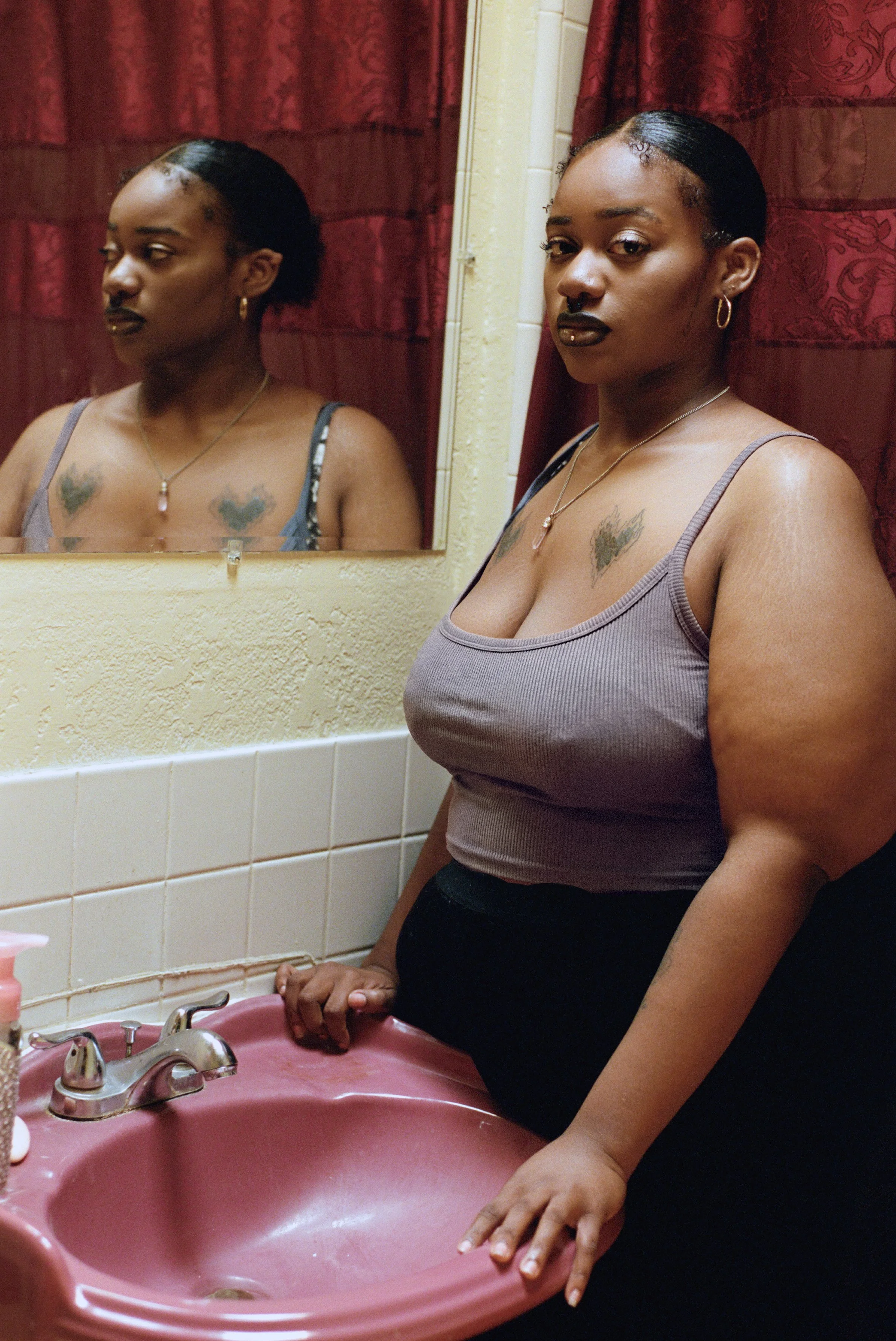
Nori Pink Sink (Inglewood, California)
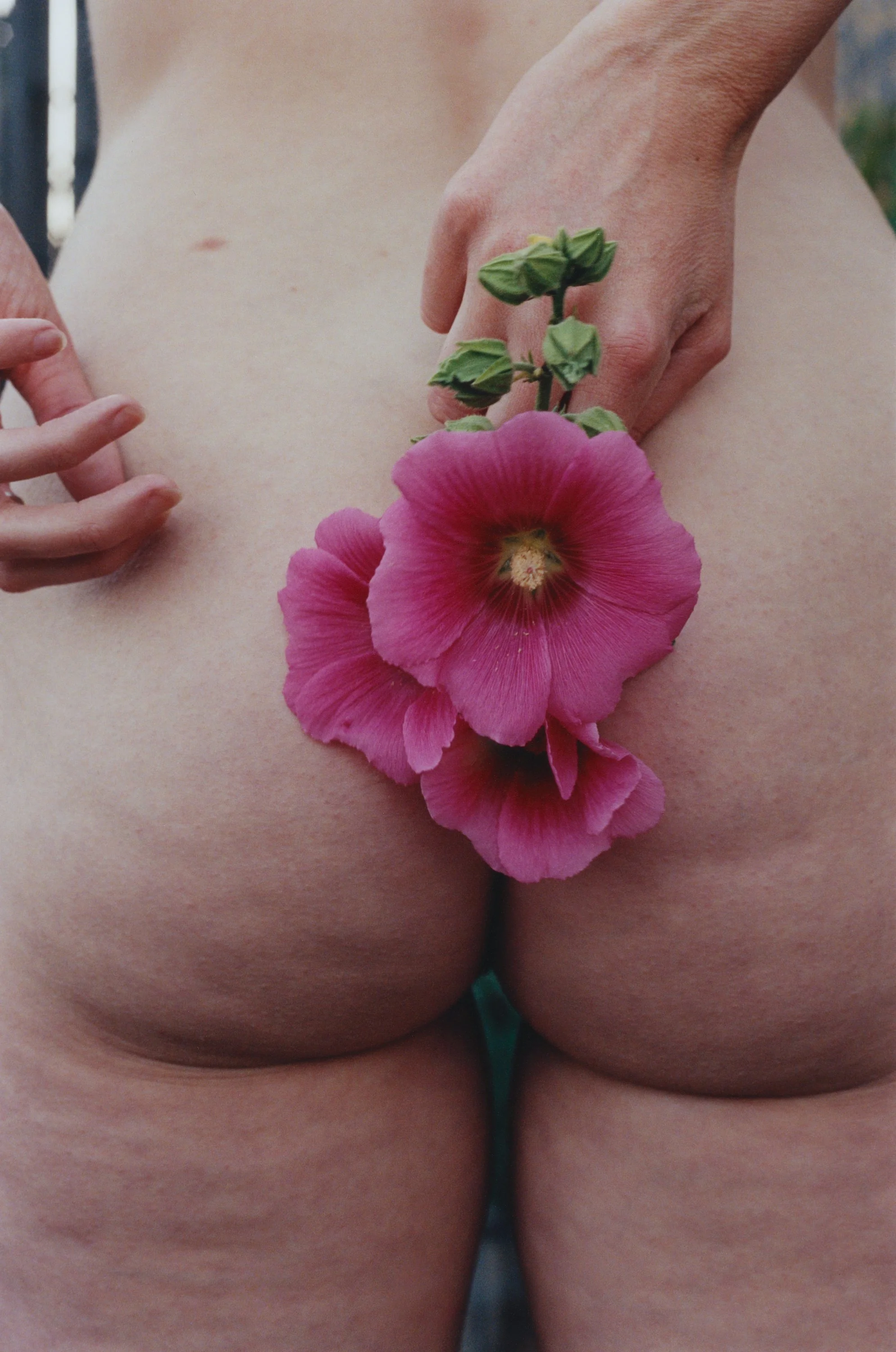
Hibiscus (Eagle Rock, Los Angeles)
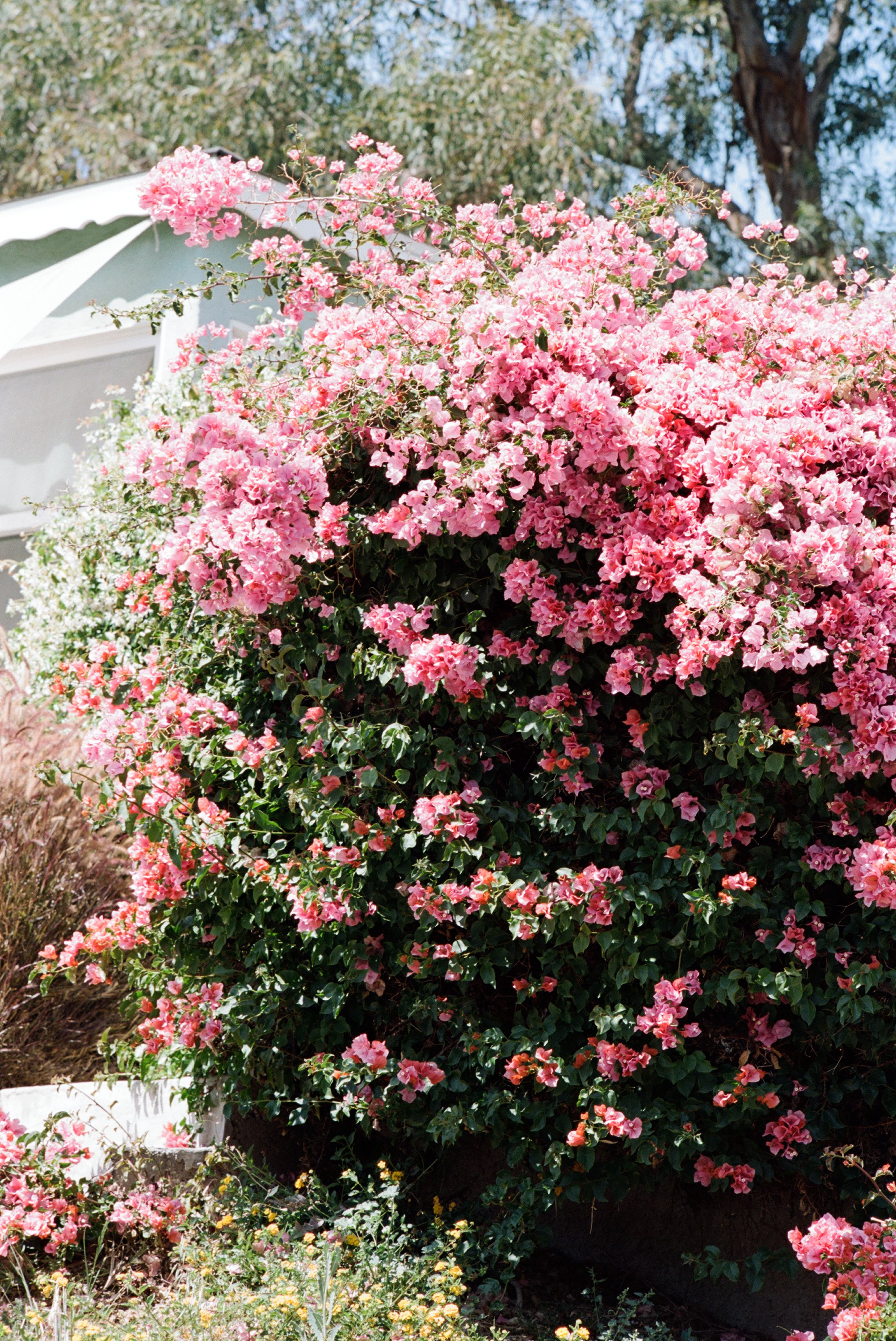
Bougainvillea (Mount Washington, Los Angeles)
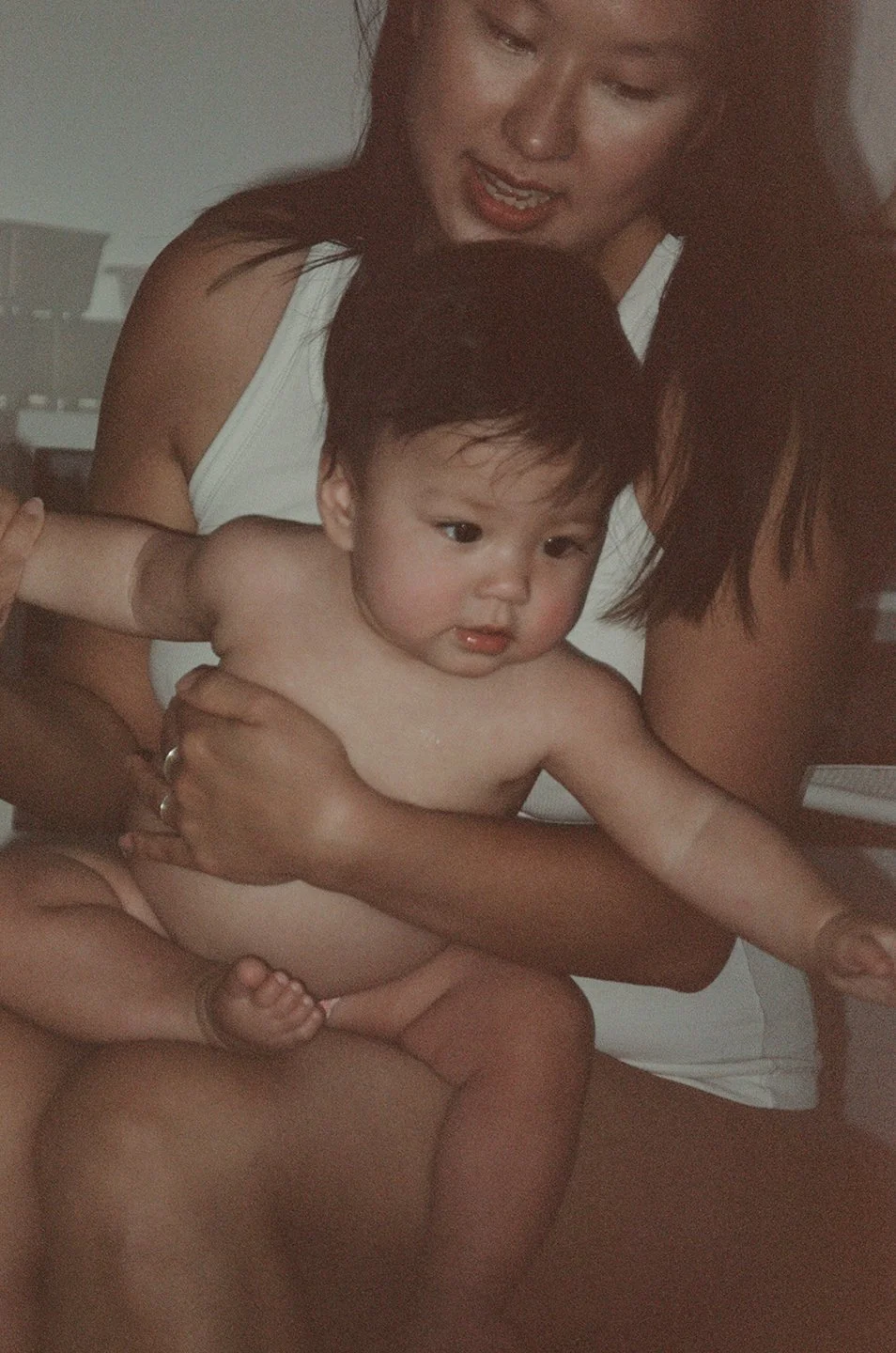
Joey and Romy (Echo Park, Los Angeles)
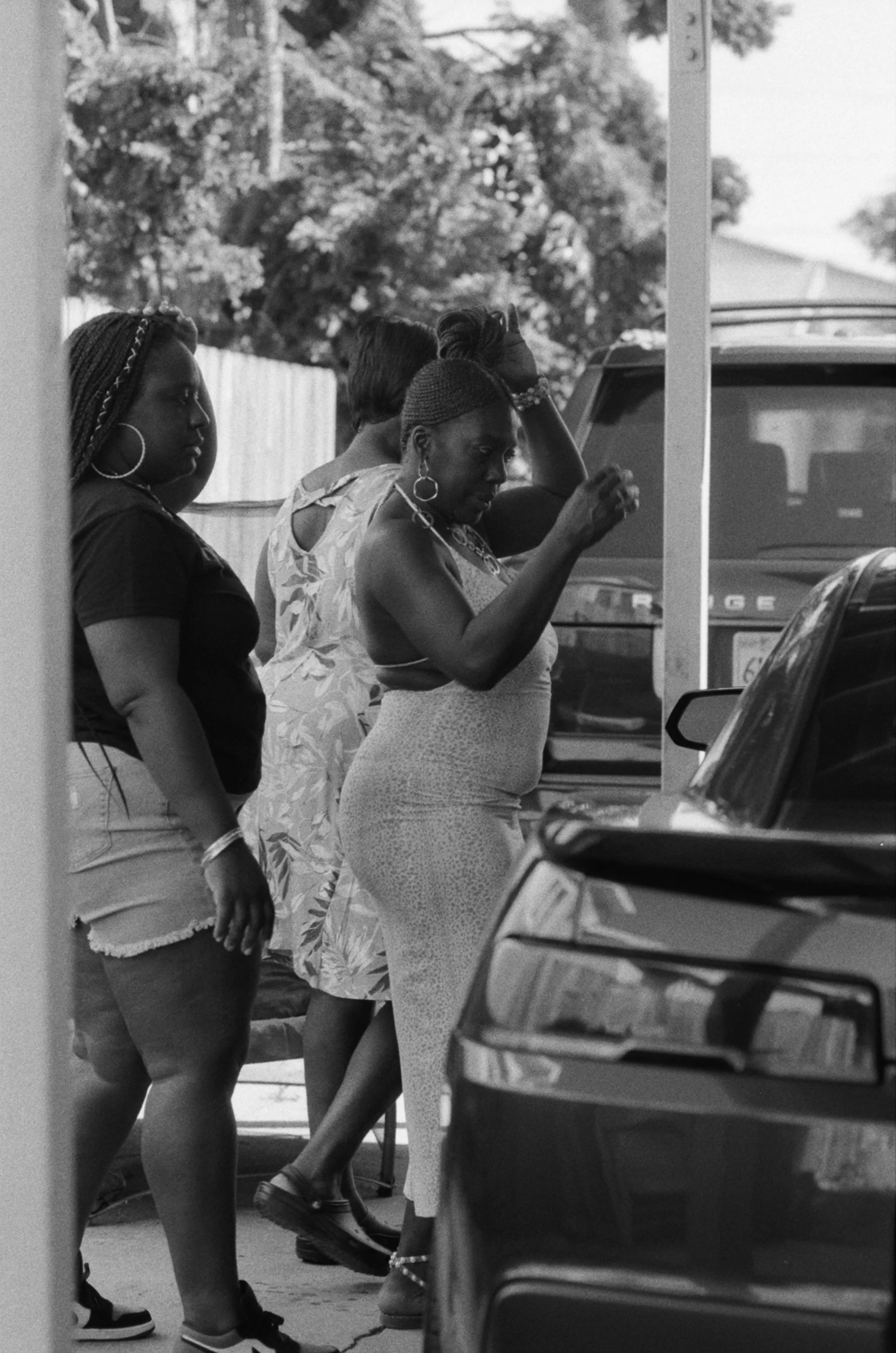
Annabel's Mother-In-Law (Compton, California)
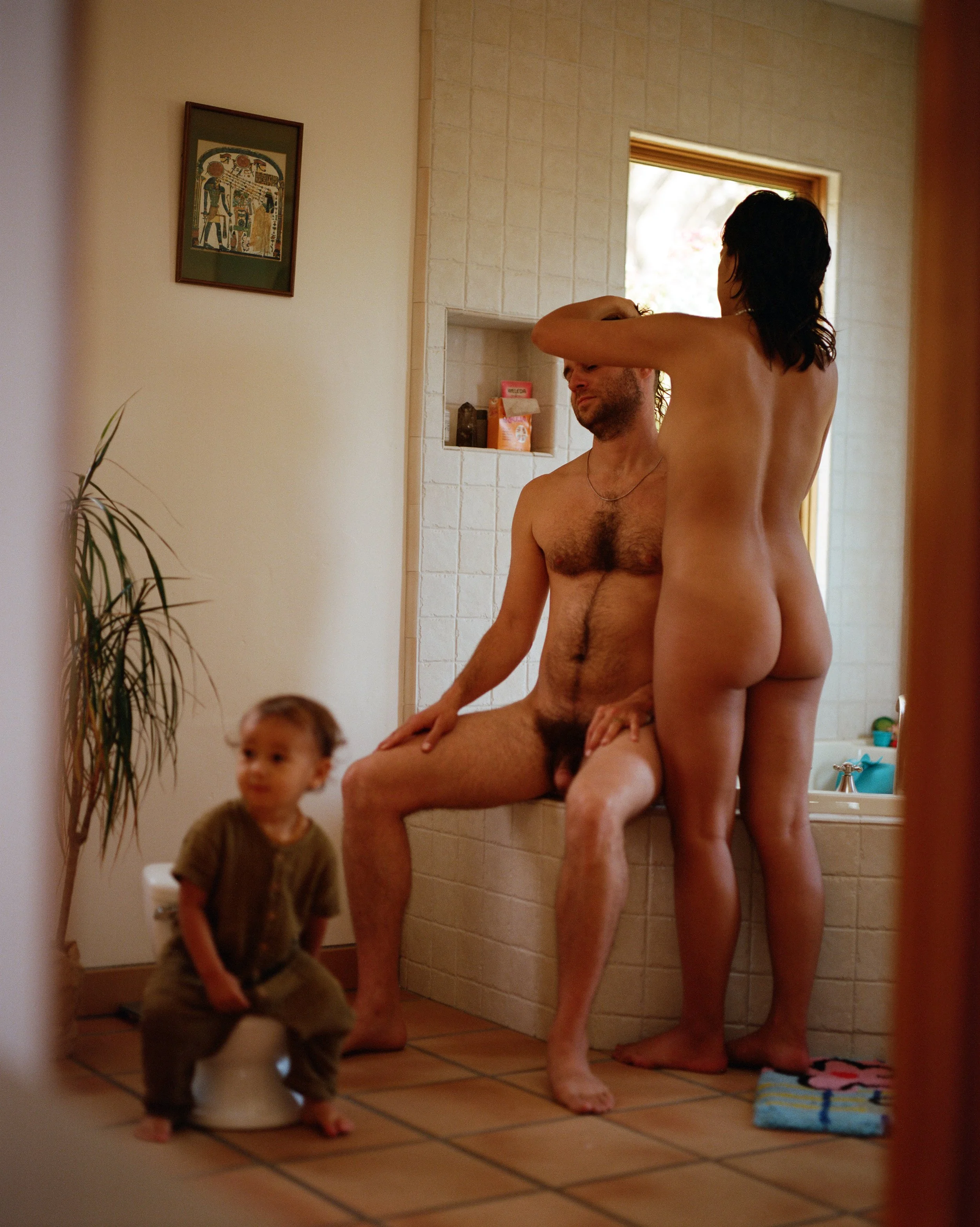
Haircut (Santa Barbara, California)
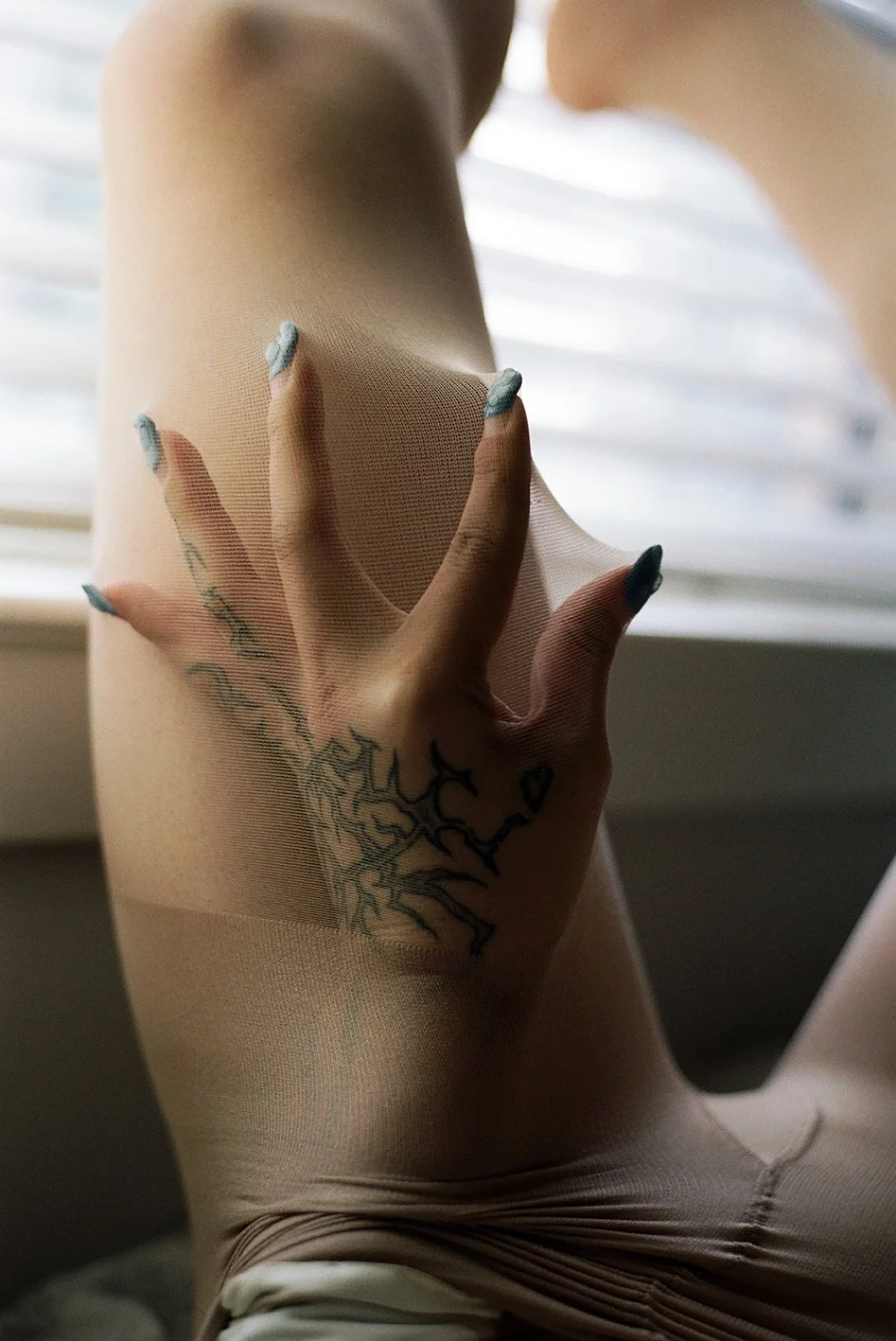
Root Systems (Austin, Texas)
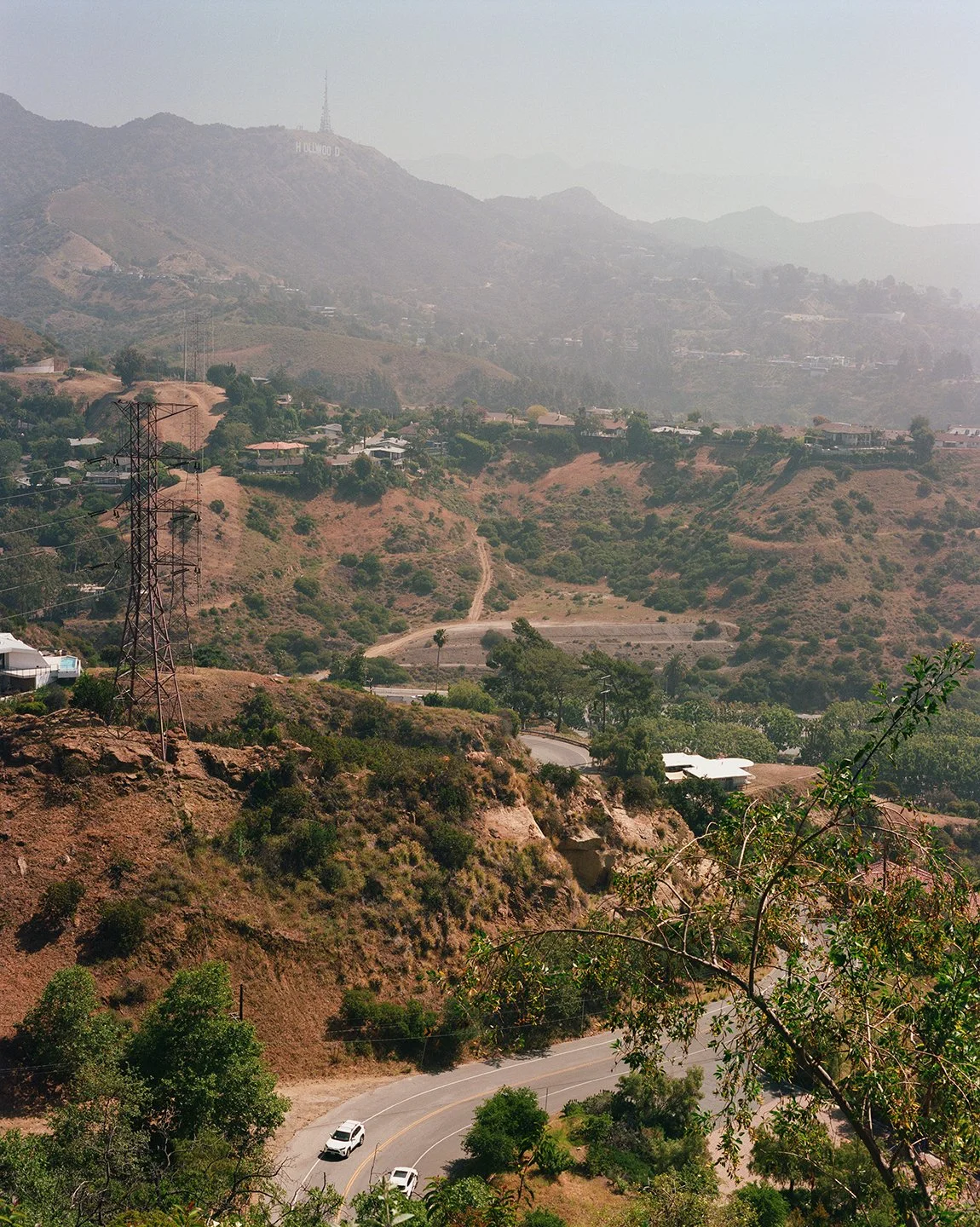
Two White Cars (Hollywood Hills, Los Angeles)
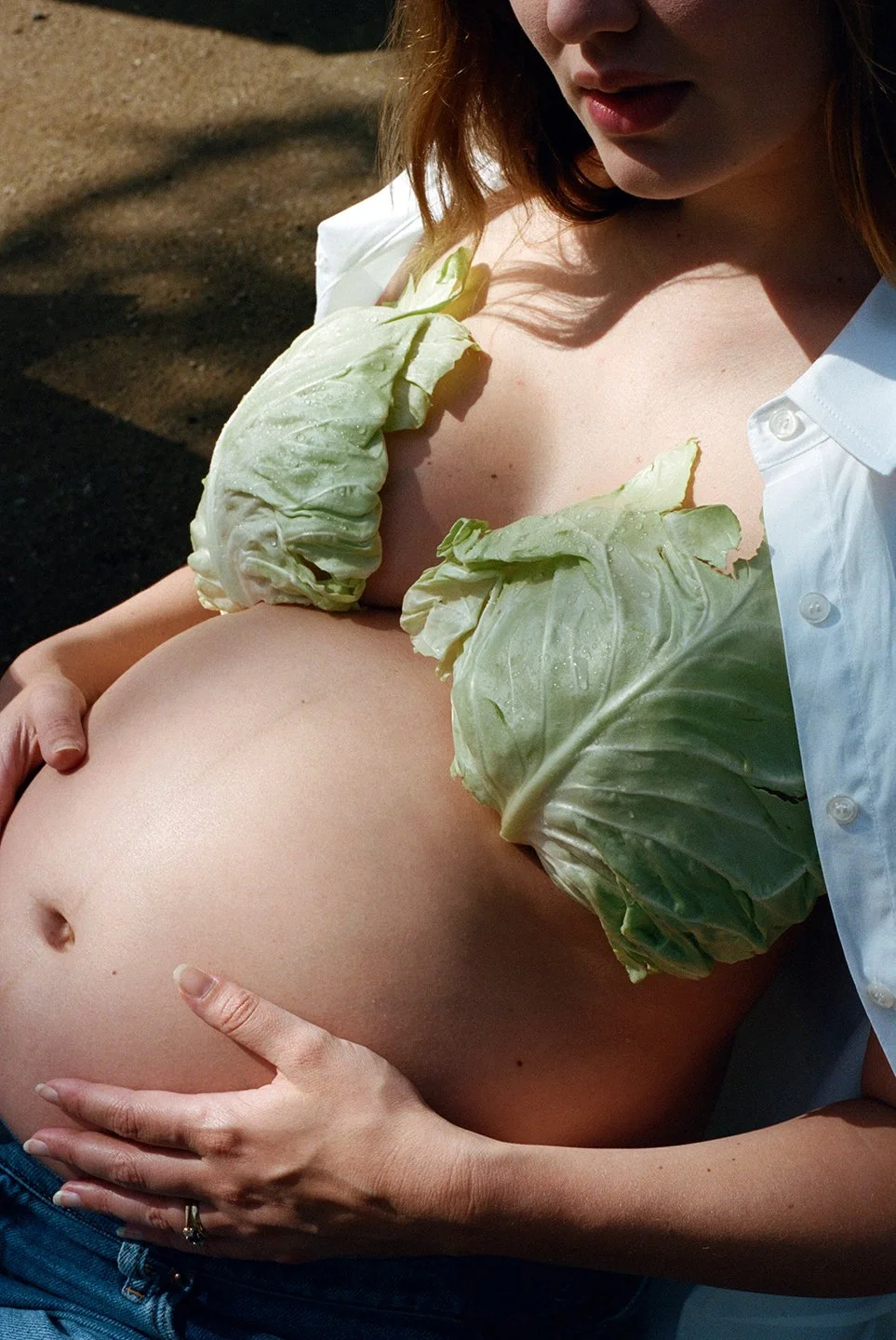
Virginia Pregnant (Silverlake, Los Angeles)
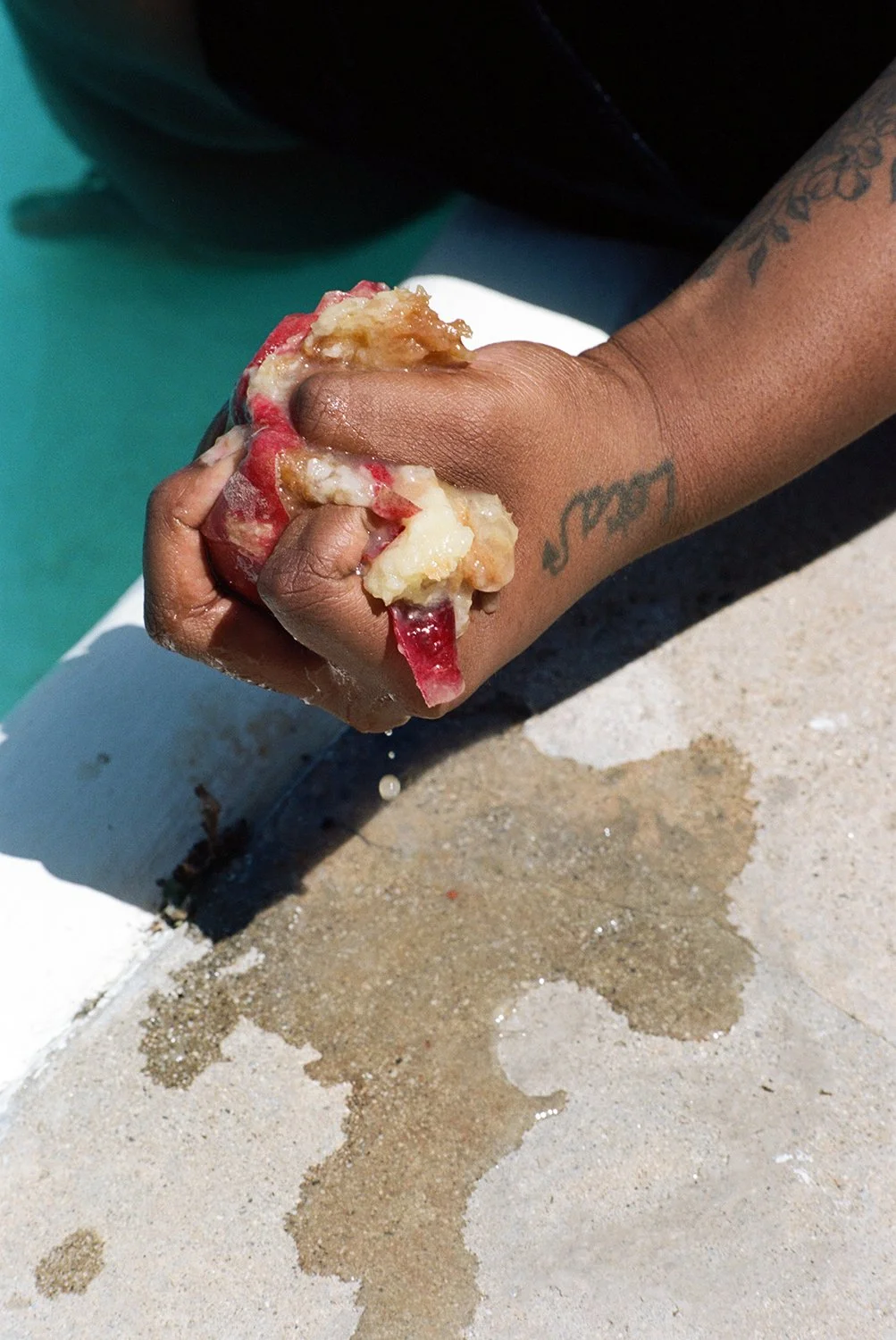
Squashed Peach (Inglewood, California)
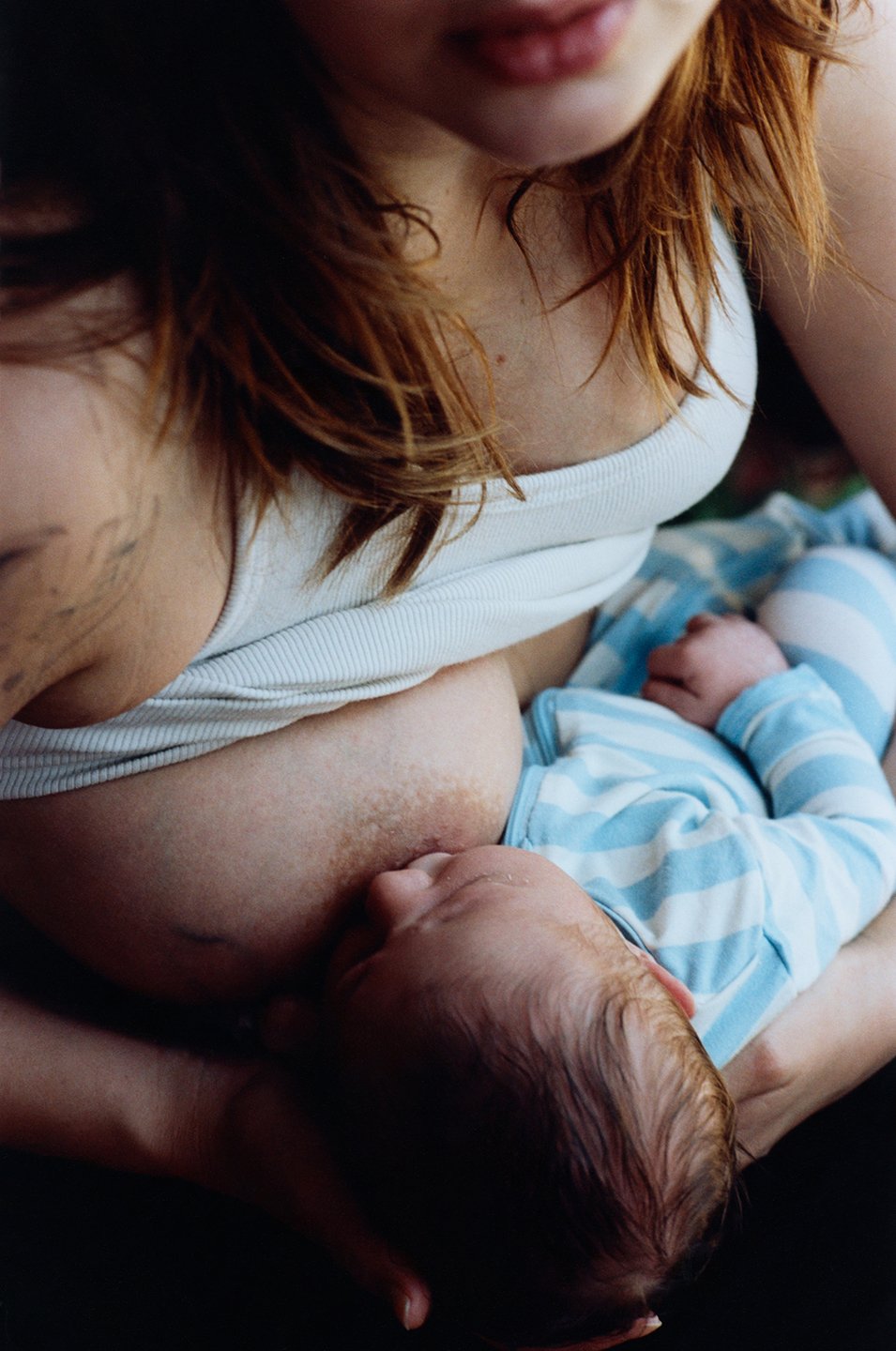
Virginia Breastfeeding (Silverlake, Los Angeles)
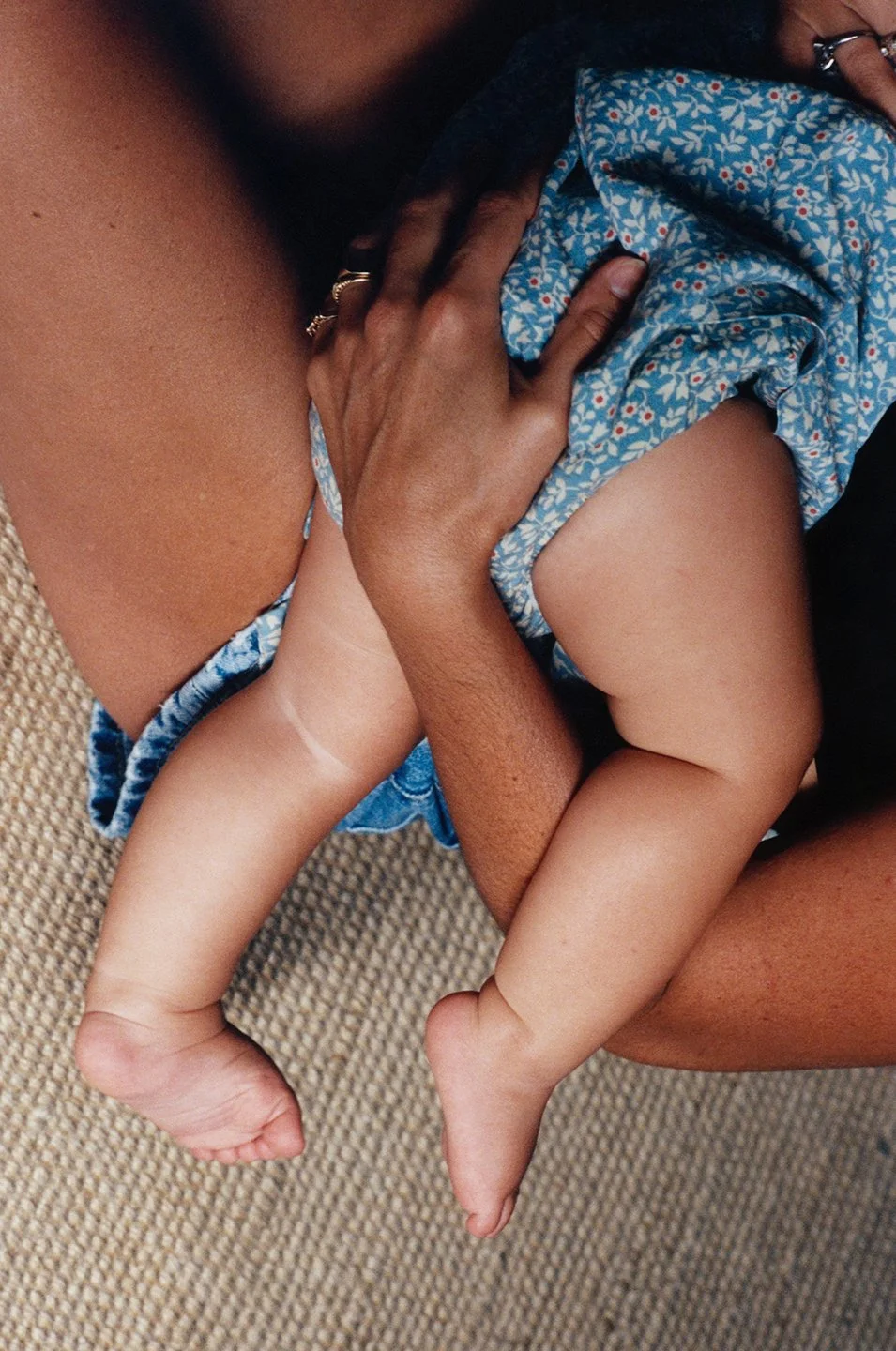
Coco and Blue (Echo Park, Los Angeles)
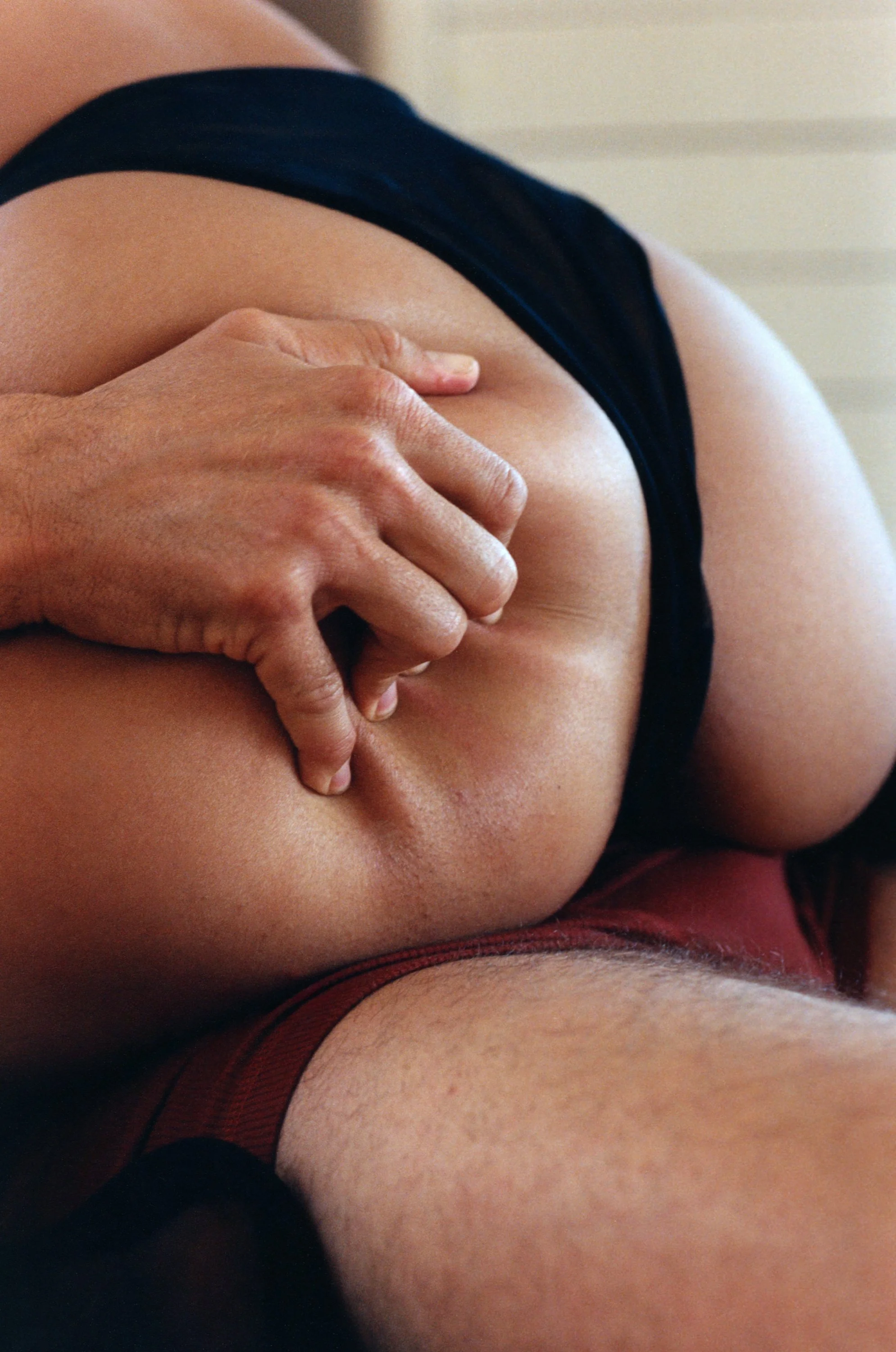
Marley and Josh (Santa Barbara, California)
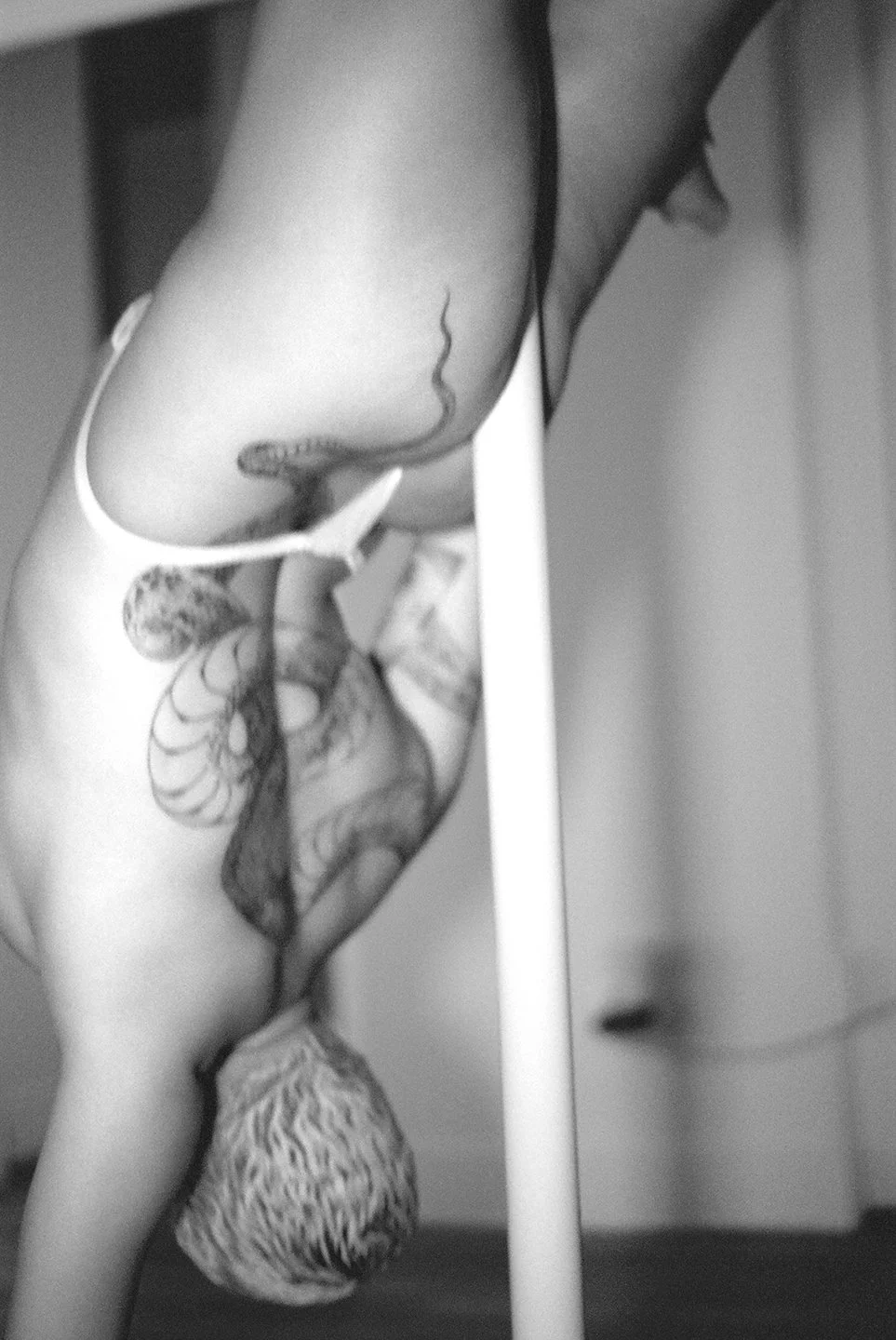
Snake Tattoo (Korea Town, Los Angeles)
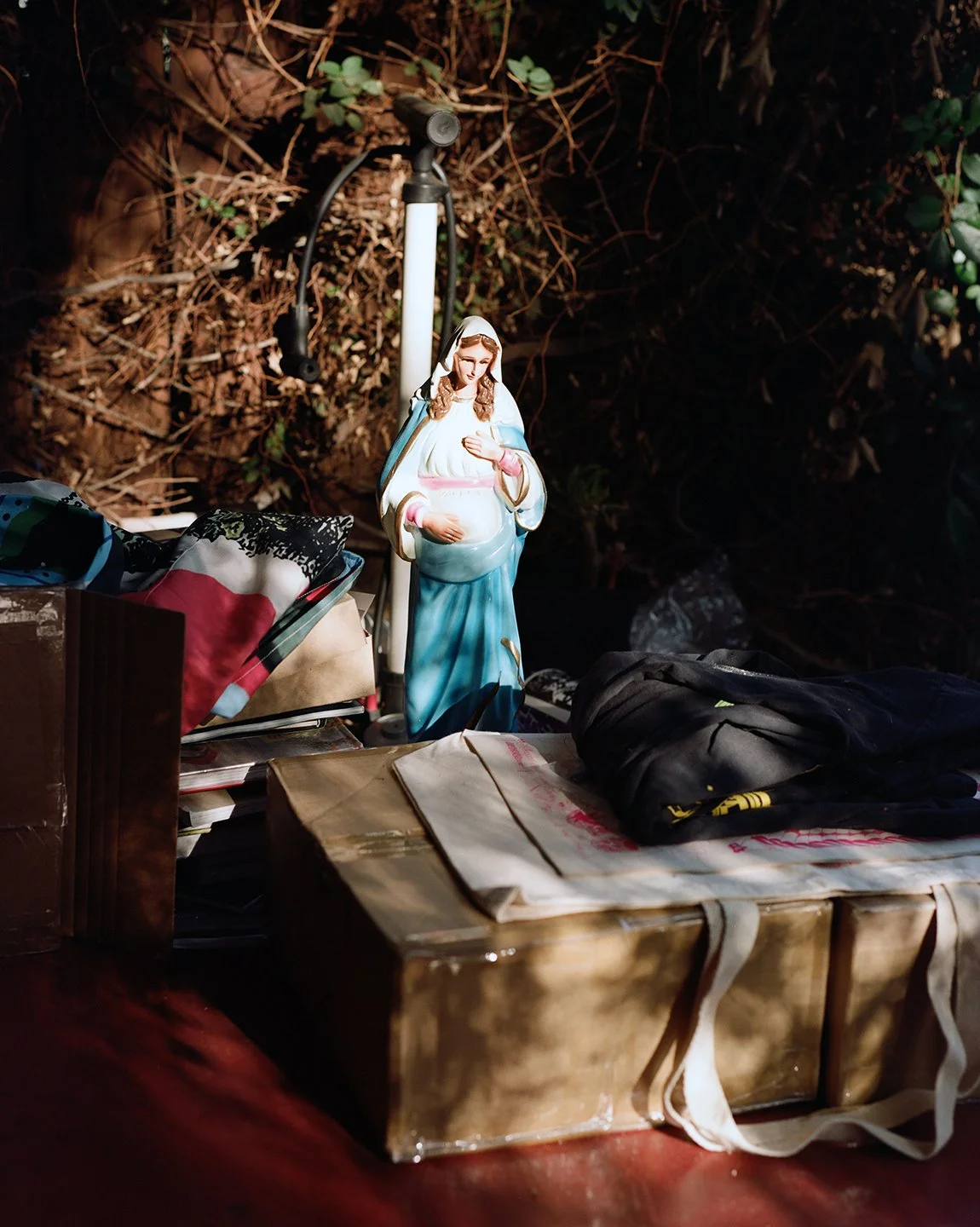
Madonna (Silverlake, Los Angeles)
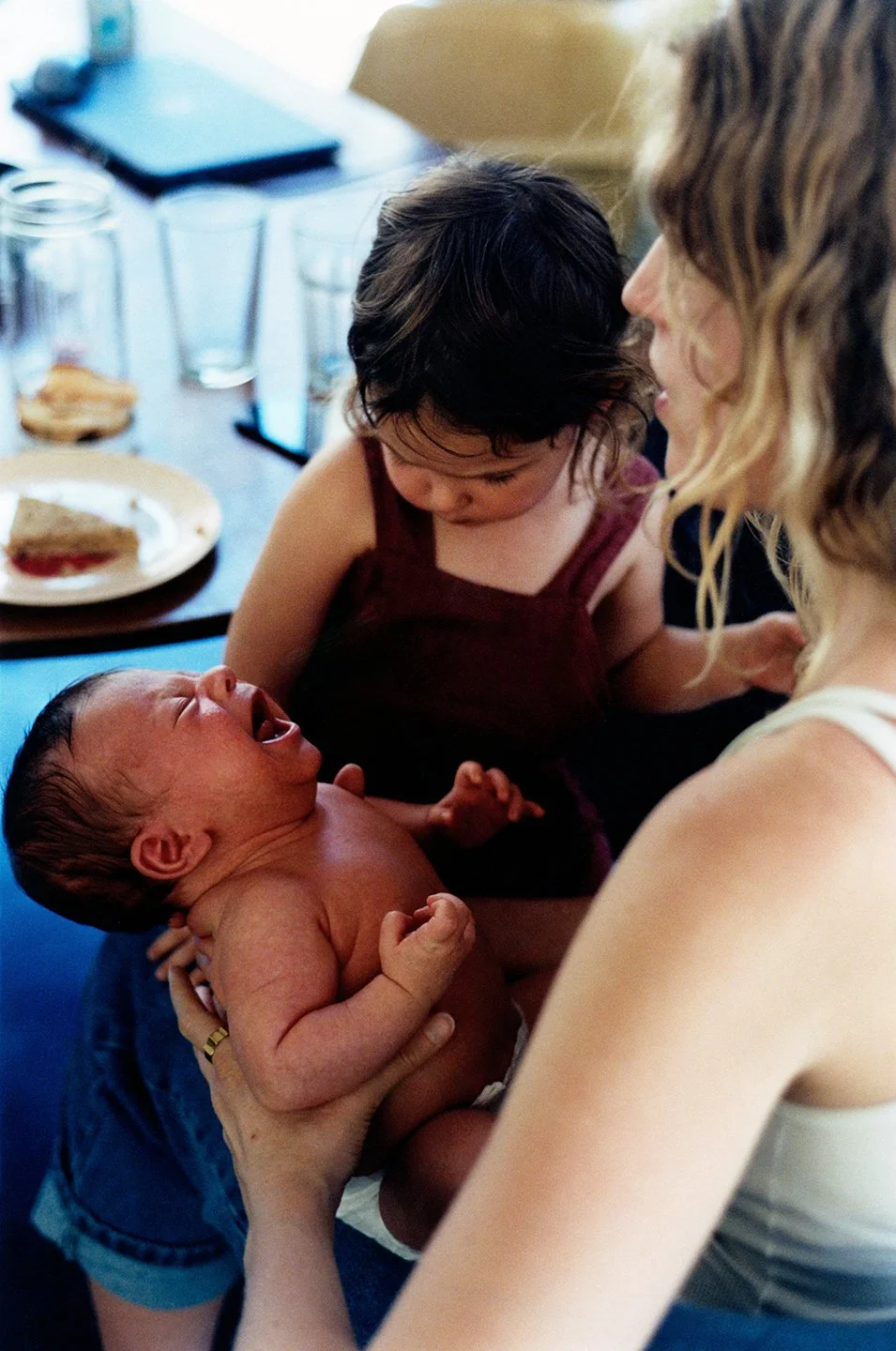
Amanda, Oona and Cosimo (Topanga, California)
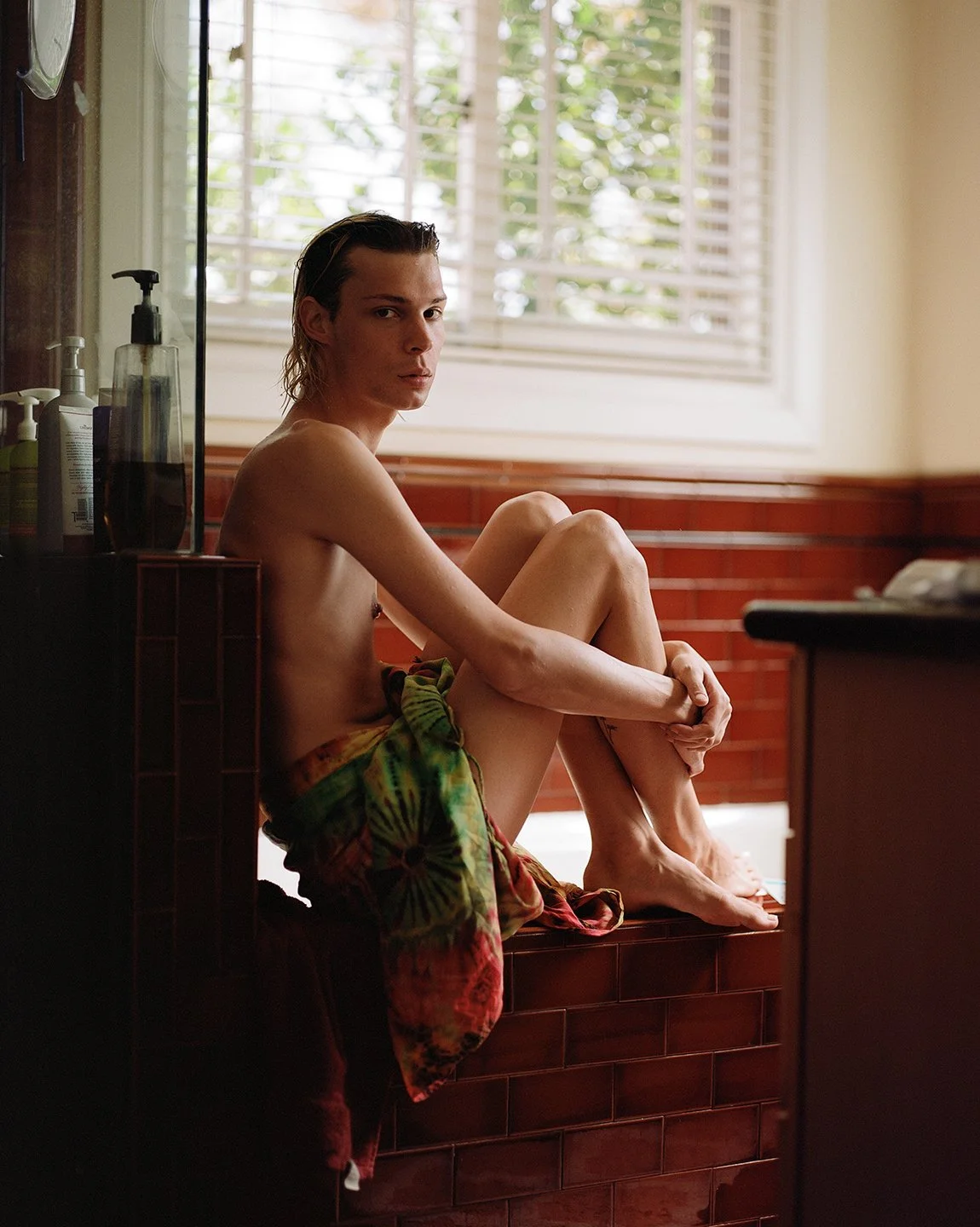
Bebe (West Hollywood, California)
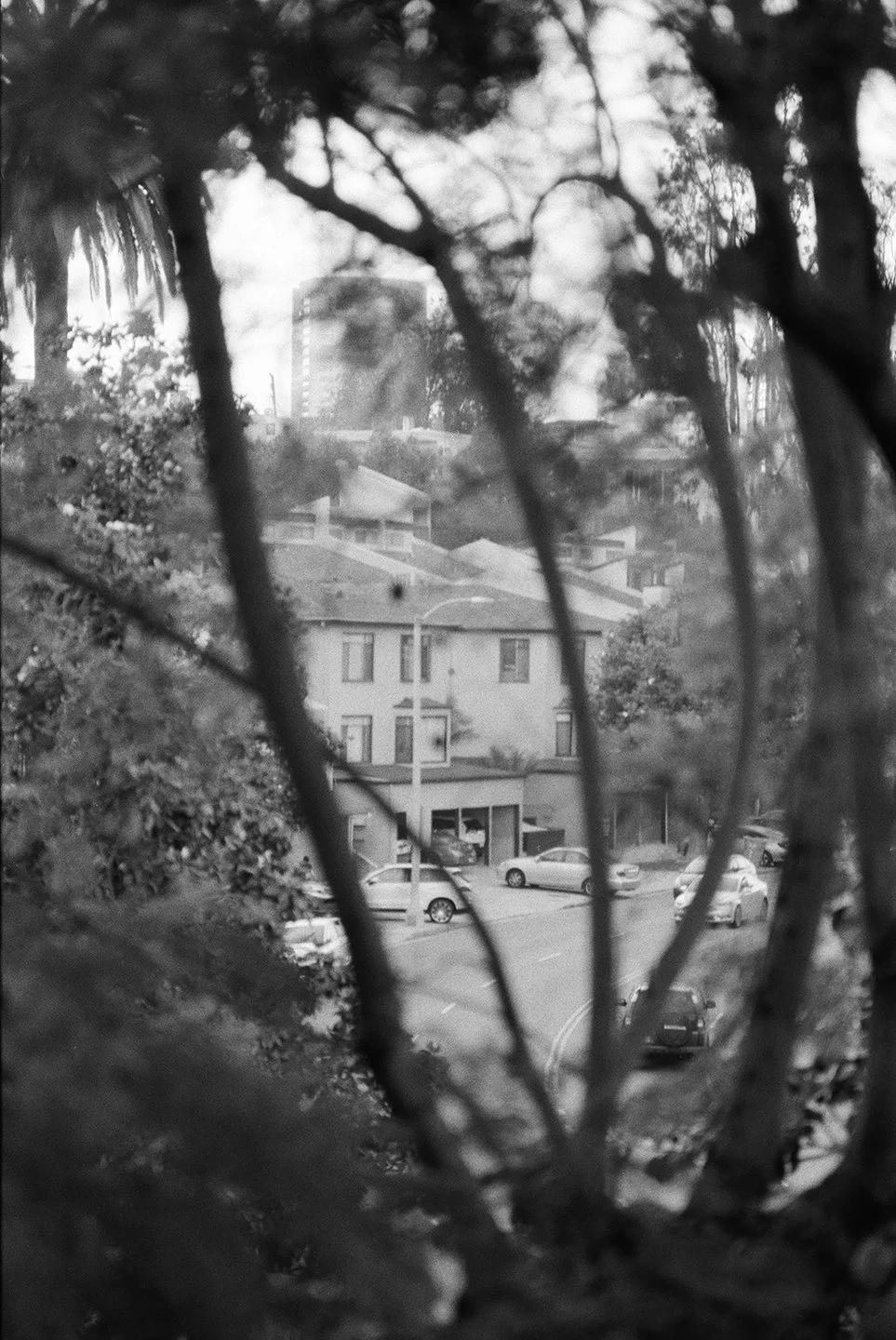
Bending Trees (West Hollywood, California)
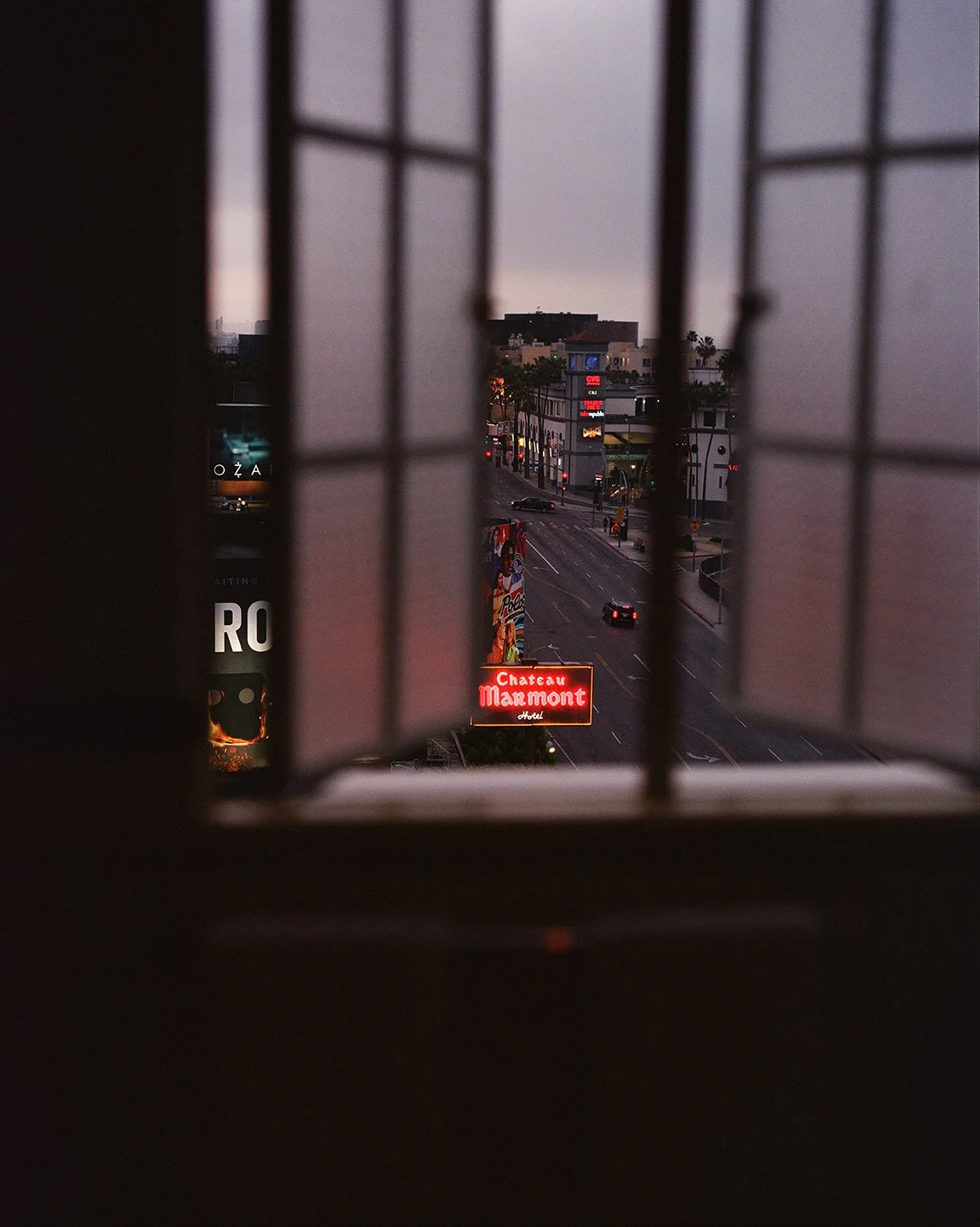
The Chateau (West Hollywood, California)
Looking Up (Tottenham, London)
Interview
AD: Your style and approach to photography seems so natural, like second nature - an extension of yourself. Do you remember one of the first photos you took when you realized you have a talent in capturing images? And what was that photo of if you remember….
MM: My mother was a photographer. As a child, she encouraged me to read books and take photographs, and was always happy to spend money on these things. I still have many of the photographs I took in childhood: albums of out-of-focus landscapes, museum visits, and friends from school. My brothers and I grew up in transit; we moved cities, countries, and continents every few years. Around the age of ten or eleven we lived in South Korea. My mother would sometimes bring me along to take pictures with her. It was on one of these shoots I could sense a few images stood out from the rest of the roll and that, when sequenced together, they told a story. It was the first time I critically looked at my photographs, and I think about it often.
AD: What a gift, to be nurtured by your parent(s) to explore photography like that and to find a life passion at a young age.
AD: You mention in The Body is not a Thing how you went with one intention in mind then came back after spending time with the images and seeing something different, is this something you have found in larger projects you work on? I love how projects can be fluid even after capturing.
MM: The disparity between intention and result is so interesting. I teach photography workshops, and an exercise I love to do with my students is to have them present their projects for feedback without providing any context for the work, and then to use this feedback to identify the gap between what they think the project is about and how it is received. Previously, I spent five years working on a project titled I Promise I’ll Never Forget, which explored identity and belonging through the lens of adolescence. This work started as staged narratives––using props and costumes for the subjects––but after years of getting to know these local teenagers, I began to photograph them as themselves. This development in the project really highlighted for me the tension between reality and invention in photography, which I still find so engaging.
The Body Is Not a Thing was different. I collaborated on the concept with my friend Annabel Crook, who found the subjects and produced the shoots. The project was shot in two one-week blocks. The work that I made in the first shooting block, in May of 2022, was as intended––capturing sexuality and motherhood in ways that felt like a celebration of women’s bodies and lives. I had only planned to shoot for one week but when I got the film back, the project felt incomplete. It wasn’t quite right. I came back to Los Angeles in August of the same year and something had shifted in the vibe. Between the first shoot and the second shoot Roe v. Wade was overturned. Annabel was pregnant, now in her third trimester. I was really feeling the financial pressure of making more personal work. It was this week that turned the project on its head. It felt like it took on a life of its own, that I was responding to the subjects, the environments, the mood, rather than directing the work. I didn’t feel in control.
AD: That second trip really worked for you and your images. Because what you captured and are showing to me feels very personal and raw.
AD: I'm drawn to the image Bebe, can you tell me more? The warmness of the bathroom, the gaze is strong yet still seems unsure.
MM: I photographed Bebe in August of 2022. Annabel had coordinated three or four women a day for me to meet. The tone of the week––or the dynamic of us coming into these women’s homes––created something like a therapeutic space. I couldn’t have anticipated how much these women would share, or how heavily their stories would sit with me. I hadn't had an experience like this shooting before. Bebe was like an antidote, perhaps one of the most genuine and kind women I have ever met. I felt this real connection to her, and was deeply touched by everything she shared with me while we worked together. She grew up in Maine, which is where I lived at the time, and had moved to Los Angeles as a teenager to get away from small-town small-mindedness. Her dream was to work in entertainment and fashion. Now she walks for Balenciaga and is in Ariana Grande music videos.
AD: Do you know your subjects before you photograph them, or is it more of a get to know while you document? It’s beautiful the openness that is shown by the subjects and being so unarmed by the camera.
Like Marley and Josh, that says a lot about you that who you are photographing feel so comfortable with you.
MM: To answer your question directly, in all my projects, there are subjects I know before photographing them and others I get to know while photographing them. With Marley, we had worked together before. She is unbelievable in front of the camera and there was no doubt that she would be included in this project. Her husband Josh is also very comfortable in himself. They are very open people and have great chat. Annabel and I went back and forth via text for over a year discussing who the subjects would be for this project.
Many of the people I ended up photographing in the first shooting week came directly from Annabel’s personal network. To know Annabel is to love her, she is a Scorpio, mama of three, and has a ride or die energy. These women trusted her implicitly, and this trust was extended to me. The women I photographed in the second shooting week were less personally connected to Annabel, they came through a friend of a friend, and we were all meeting for the first time. It was such an intimate experience. A handful of these women have become close friends.
AD: As a mother, your self portrait (on the about page) shows the beautiful combination of photographing while still being with your children. How have you found your images change since becoming a mom, or have you not noticed any shift in vision, interest of subject matter etc.
How do you think this project will influence your current and future work?
MM: (This portrait of me with my daughter Bo, holding the tripod by my legs, was taken by Cig Harvey.)
Yes, my photography has changed significantly. Motherhood opened something up in me, a kind of steady determination that is hard to describe. I have two daughters, and I know that they will be looking to me as an example for what is possible––just as I looked to my own mother for this example. My ambitions feel less centred on me as an individual and more grounded in responsibility. My sense of self has been deeply shaped by my relationship with my mother, so motherhood existed in my work as a subject and theme long before I became a parent.
The Body Is Not a Thing marked a seismic shift in how I approach projects. I will continue expanding my practice using both photography and writing. I am better equipped, coming out of this project, to take responsibility for sharing other people’s experiences alongside my own. I am grateful for the challenges that come with having my world view expanded through meeting and working with people. And I feel a real sense of excitement about the freedom and connection that comes from working in this way, which I’m carrying into my next major project.
Published May 2026, feature 1.